
Advertisment

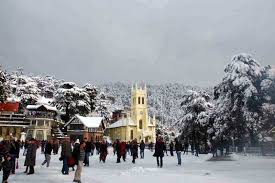
Himachal Pradesh has set its sights on a faster, cleaner approvals pipeline for tourism projects. Chief Minister Sukhvinder Singh Sukhu has asked departments to streamline processes and set a 30-day decision target for proposals of ₹50 crore and above. A new Tourism Investment Promotion Council serves as a single window to align departments that previously moved files sequentially, a common cause of costly delays for large resorts, ropeways, convention spaces, wellness centers, and eco-adventure parks.
The approach rests on three pillars. First, a common checklist so departments raise queries once instead of in multiple rounds. Second, parallel processing in place of the old sequence, which shortens the critical path for land, environment, forest, power, and infrastructure permissions. Third, digitisation that tracks files, timestamps decisions, and leaves a transparent audit trail. Together, these steps send an important message to investors who often cite unpredictability as a bigger risk than policy itself.
Speed, however, must not dilute scrutiny. Himachal’s terrain is fragile, water is scarce in many valleys, and waste management remains a persistent challenge in popular towns. A faster system needs strong guardrails. Standard environmental conditions, slope stability checks, and water-use thresholds should be baked into approvals. Post-approval monitoring will matter as much as the initial clearance. Publishing project summaries, conditions, and compliance status can build public trust and deter corner-cutting.
For local communities, well-designed projects can broaden opportunity. Construction and long-term hospitality jobs are the most visible benefits, but the deeper impact comes from supply chains. Local sourcing for produce, linen, transport, guiding, and cultural programming keeps more value in the district. Training pipelines and certification programs can help residents move into supervisory and entrepreneurial roles rather than remaining at entry level.
For more news visit our site: Click here
Tags:
Himachal CM Sukhvinder Singh Sukhu
Himachal tourism projects
single window clearance Himachal
tourism investment promotion council
Category:
News and Updates
Most Recent






Advertisments