
Advertisment

“Chhattisgarh man ab pariyatan sirif ghoome-phire ke baat nai rahi ge hee ab rojgaar, pehchaan au vikas ke nava rasta banat he.”
This sentiment is now visibly shaping the state’s tourism policy and on-ground action. Rich in natural splendour, archaeological heritage, and tribal culture, Chhattisgarh is developing its key sites as signature destinations to craft a distinct national identity. By connecting local communities and youth to tourism promotion, grassroots branding is gaining momentum, while public-private partnerships are drawing investment into hotels, resorts, homestays, and hospitality services. Tourism here is no longer just travel—it is emerging as a development model built on four pillars: skills, connectivity, facilities, and identity.
Vishnu Deo Sai has articulated a clear vision of tourism as a primary engine of development. Departments have been directed to ensure that projects go beyond beautification and link directly to youth skill development and public participation. In line with this vision, Rajesh Agrawal is accelerating initiatives at the grassroots level.
After several years, tourist guide training programmes have been revived. Young people are being trained in heritage interpretation, communication skills, visitor management, and local history to create a capable tourism workforce that directly links tourism to employment. Youth participation from regions such as Bastar, Surguja, Kabirdham, and Mahasamund is giving this initiative a broad social base. Alongside training, local arts, handicrafts, folk dances, and traditional cuisine are being integrated into tourism activities, offering visitors a holistic cultural experience while enhancing household incomes.
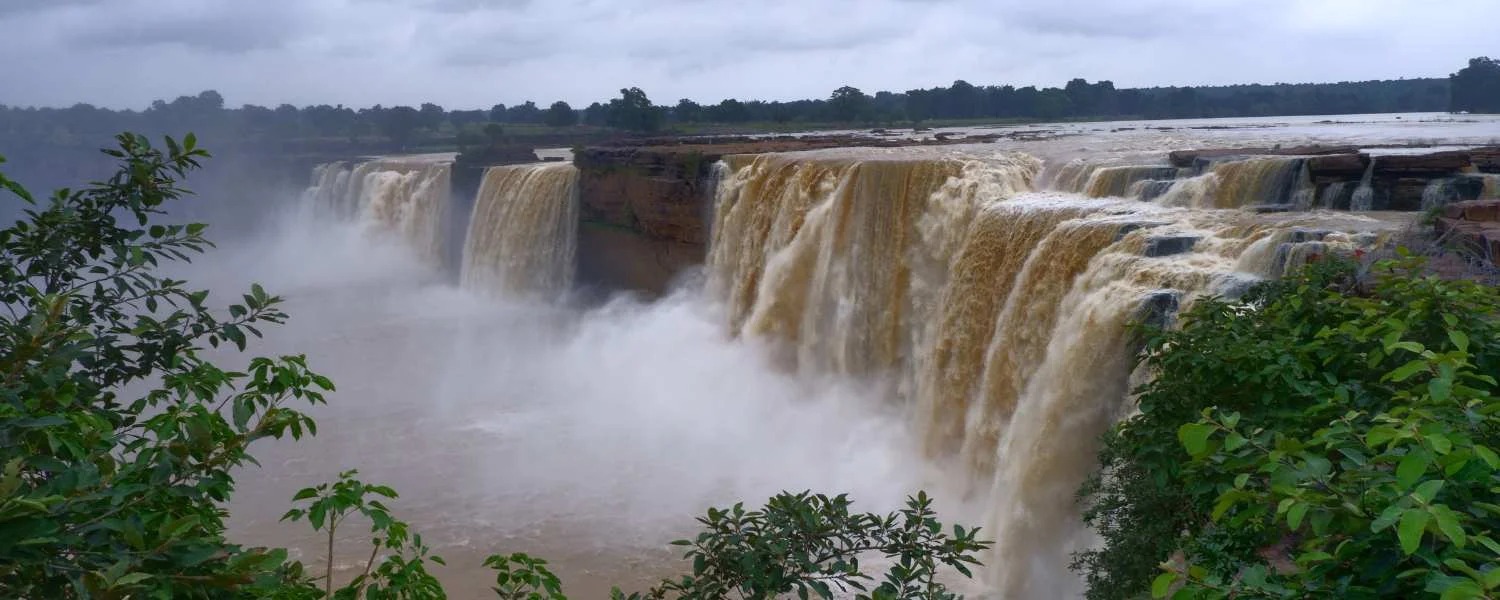
Infrastructure strengthening is receiving special focus. At the Bhoramdeo Temple complex in Kabirdham, a tourism corridor is being developed with improved approach roads, parking, lighting, and visitor amenities. Mainpat in Surguja is evolving as an eco-friendly tourism and wellness destination. The majestic Chitrakote Falls in Bastar and the historic archaeological site of Sirpur Archaeological Site are establishing the state’s distinct identity on national platforms. Basic amenities, viewpoints, signage, sanitation, and local guide systems are being systematically upgraded at these locations.
Government policies are also promoting homestays, rural tourism, and community participation in tribal regions. Self-help groups, local youth, and families are connecting with tourism services to access direct income opportunities. As a result, the benefits of tourism are reaching villages rather than remaining confined to cities, while cultural identity is being strengthened.
Overall, tourism in Chhattisgarh is no longer just a list of attractions. It is emerging as an integrated model of employment, skills, investment, and identity. With the Chief Minister’s vision and the Tourism Minister’s commitment, the state’s tourism sector is moving toward a new milestone—where youth from village to village become active participants in this journey of development.
Category:
News and Updates
Most Recent






Advertisments