
Advertisment

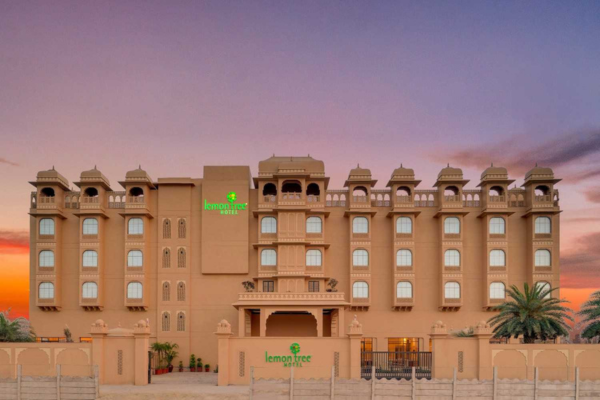
The launch of the Lemon Tree Hotel, Sri Ganganagar, announced by Lemon Tree Hotels Limited, signifies the brand’s expansion into the city and further solidifies its position in Rajasthan. Now there are a total of 23 hotels in the state owned by the corporation. Lemon Tree Hotels Limited’s wholly owned subsidiary, Carnation Hotels Private Limited, is in charge of the hotel’s operations.
Sri Ganganagar, a city in northern Rajasthan, is a major commercial and trading hub and a centre for the agricultural economy. The city’s robust economy and closeness to the border ensure a constant stream of business and government-related travellers. In addition to the city itself, tourists go to neighbouring sites including the Hindu Malkot border, Budha Johad Gurudwara, Balaji Dham, and Gauri Shankar Temple.
The property is located about 122 km from Bathinda Airport and 8 km from Sri Ganganagar Junction railway station. Stay in one of the 68 rooms or suites at this hotel. The hotel’s dining options include the all-day Citrus Café and the terrace bar Slounge. In addition, guests can take use of the in-room dining options.
The hotel also has indoor and outdoor grounds for banquets and meetings, perfect for social gatherings, business conferences, and guests staying for an extended period of time. In addition, there is a fitness center, swimming pool, and spa. Commenting on the opening, Vishvapreet Singh Cheema, President, Lemon Tree Hotels Ltd., stated, “Sri Ganganagar is one of Rajasthan’s most prosperous commercial and agricultural hubs, drawing a consistent influx of business and trade-related travel. We are entering a promising but yet untapped market for our trademark high-quality, comfortable, and welcoming hospitality with the opening of Lemon Tree Hotel, Sri Ganganagar. We are committed to expanding throughout high-potential Tier-II and Tier-III regions, and this opening marks our thirteenth hotel in Rajasthan. We have ten more hotels in the pipeline across the state.
The new hotel, according to the corporation, will be able to meet the needs of the region’s increasing number of business, trade, government, and leisure tourists.
Image: Business Review
Category:
News and Updates
Most Recent






Advertisments