Advertisment

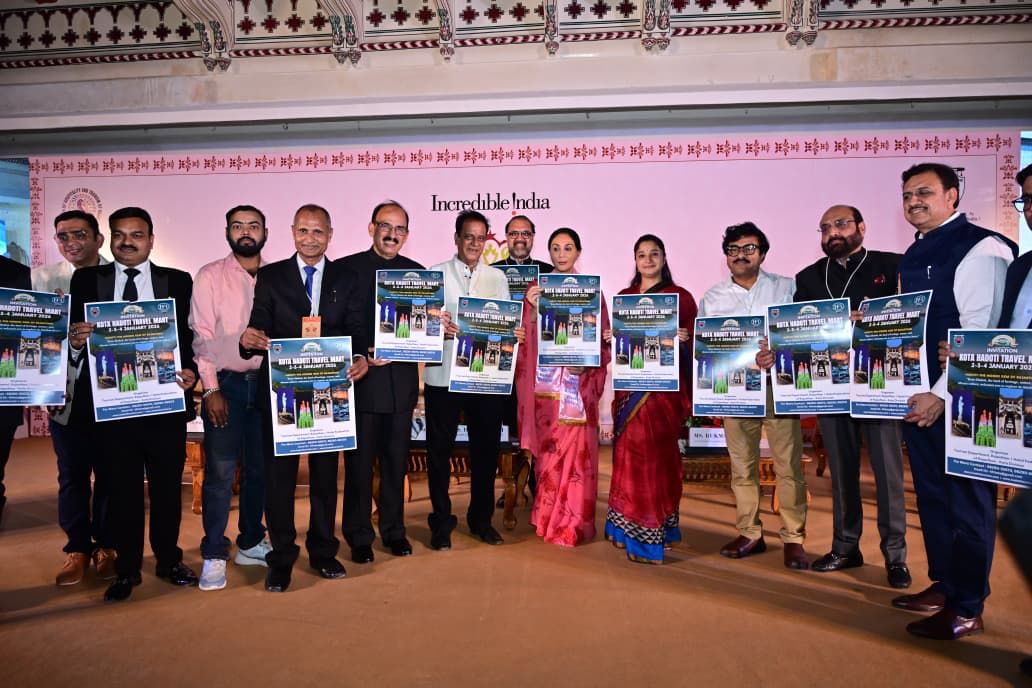
The Rajasthan Domestic Travel Mart (RDTM) 2025 has concluded, but the vision it unveiled marks a decisive blueprint for the state’s future. Over three days, the event showcased Rajasthan not merely as the land of forts and havelis, but as an emerging hub of domestic tourism, investment, employment, and women’s empowerment. At the centre of this transformation stood Deputy Chief Minister Diya Kumari, who articulated a clear strategy to make tourism the driving force of development.
From the inaugural session to the closing ceremony, Diya Kumari remained the focal point. Her declaration that “Rajasthan must become the world’s number one destination” was not just rhetoric—it set the tone for a structured roadmap. She announced an investment of ₹5,000 crore in tourism infrastructure and launched a dedicated mobile app for women travellers, underscoring that safety and ease of travel are fundamental prerequisites. The initiative resonated not only with women tourists but also with women entrepreneurs and rural self-help groups, sending a powerful message of inclusivity.

The Mart featured an unprecedented scale of business engagement, with attendees holding a record 19,296 B2B meetings at the B.M. Birla Auditorium. As many as 285 exhibitors showcased over 600 destinations, while 295 hosted buyers, 543 non-hosted buyers, and more than 700 walk-in visitors explored Rajasthan’s tourism potential. These figures reaffirm Rajasthan’s position as the rising powerhouse of India’s domestic travel market.
RDTM 2025 prominently featured women’s empowerment. The “Lakhpati Didi” initiative allowed self-help groups to showcase their products. Handcrafted leather jootis, block prints, wooden artefacts, and paper crafts made by women from Dausa, Barmer, and Jaipur gained national visibility. This shift signalled that tourism in Rajasthan now extends far beyond hotels and palaces—it is becoming a vehicle of rural livelihood, self-reliance, and women’s economic empowerment.

The event also reflected a seamless blend of tradition and modernity. The inaugural session highlighted the restoration of Shekhawati’s havelis and the importance of heritage conservation. Meanwhile, the B2B sessions and digital campaigns showcased how technology and branding will shape Rajasthan’s modern tourism identity.
Equally significant were the familiarisation trips (FAM tours) organised for stakeholders. One itinerary covered Jaipur, Mandawa, Bikaner, Jaisalmer, Jodhpur, and Jawai; another showcased Bundi, Kota, Ranthambhore, Alwar, and Sariska; while the third included Pushkar, Jodhpur, Ranakpur, Kumbhalgarh, and Udaipur. These journeys conveyed a crucial message—that Rajasthan’s true essence lies not only in Jaipur, Udaipur, and Jaisalmer, but also in its smaller towns, natural landscapes, and rural tourism circuits that hold equal promise for domestic and global travellers.

Tourism Commissioner Rukmani Riar remarked that the Mart was “not just a fair, but a mirror of changing mindsets and new opportunities.” In the words of Federation of Hospitality and Tourism of Rajasthan (FHTR) President, Kuldeep Singh Chandela: “When tradition and modernity move together, tourism gains a new direction.”
The event also honoured contributors to Rajasthan’s tourism sector, reaffirming the state’s recognition of both experienced pioneers and emerging talents.

RDTM 2025 clearly showed that tourism will play a vital role in shaping Rajasthan’s politics, society, and economy. For Diya Kumari, this journey not only strengthens her stature as Rajasthan’s first woman Deputy Chief Minister but also as the architect of its tourism-driven future. Rajasthan is no longer just the land of heritage and deserts—it is now emerging as a national model of tourism-led growth and women’s empowerment.
For more news visit our site: Click here
Tags:
Diya Kumari
Domestic Travel India
Domestic Travel Mart 2025
Lakhpati Didi initiative
Rajasthan Tourism
RDTM 2025
tourism infrastructure Rajasthan
women empowerment Rajasthan
Category:
News and Updates
Most Recent


Advertisments