
Advertisment

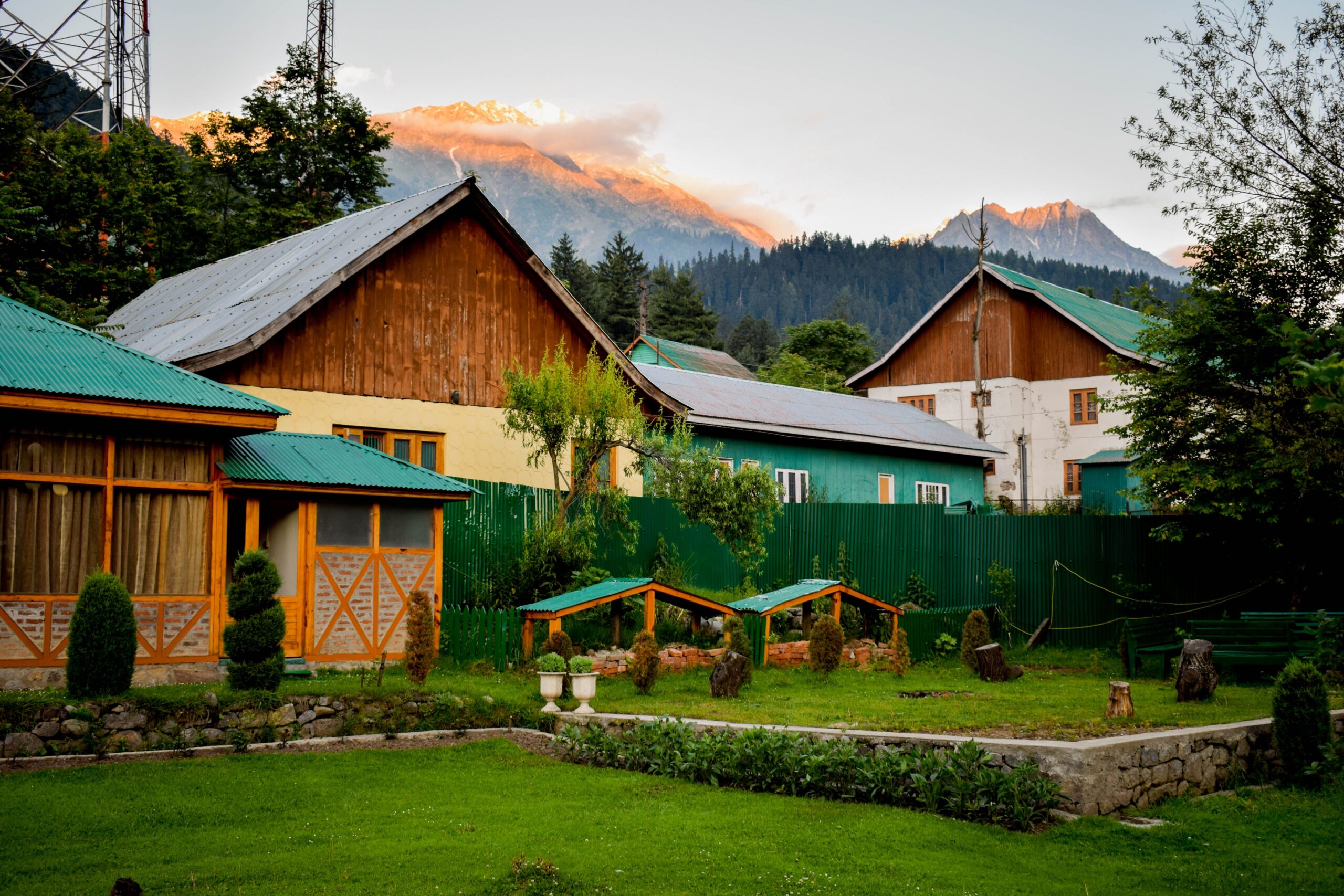
For years, homestays sat at the margins of India’s travel conversation — a niche pick for backpackers and the occasional culture-curious traveller. That is changing fast. As domestic tourism cements itself as the backbone of India’s hospitality economy, homestays are emerging as one of the sector’s most consequential growth engines, reshaping where tourism revenue lands and who gets to benefit from it.
Indian travellers now account for close to 84% of the country’s total tourism spending, and that shift in the demand base is changing what travellers actually want to book. India’s middle class is travelling more than ever before, helped along by rising disposable incomes, improving road and air connectivity, and a growing appetite for local, rooted experiences over conventional itineraries.
Increasingly, that appetite is translating into a preference for stays that feel personal rather than standardised. Homestays, villas and rental properties are drawing travellers who want culturally immersive experiences alongside — or instead of — traditional hotel stays. This isn’t a fringe trend confined to hill towns either: hotels, resorts, homestays and vacation rentals across the country are all seeing sharp occupancy gains through peak domestic travel seasons, and established hospitality brands are themselves expanding into homestays and smaller, locally rooted properties rather than depending purely on international luxury demand.
Perhaps the most significant contribution homestays make is geographic. India’s tourism map has historically been lopsided, with a handful of metros and marquee destinations capturing a disproportionate share of visitor spend. Homestays are helping correct that imbalance.
Tourism is arguably the most effective tool available for decentralising development — moving spending from urban centres into rural peripheries through homestays and agri-tourism, easing migration pressure on cities while giving local heritage renewed economic value. The pattern is visible on the ground: India’s tourism boom is visibly shifting toward hidden and rural destinations, with rising demand across states like Kerala, Ladakh, Maharashtra and Uttarakhand, and a wider range of community-based homestays and eco-lodges opening up to meet it.
Ladakh offers a live example of what this looks like when it’s actively supported by policy: the region’s tourism department has rolled out a dedicated homestay support framework aimed at training operators, improving service standards, and encouraging rural entrepreneurship across the union territory. It’s a template other states are likely to study closely as they build out their own homestay ecosystems.
The economic case for homestays goes well beyond room nights. Homestays, handicrafts, cultural performances, local cuisine and other community-based tourism initiatives have opened entirely new income streams for families and small businesses across the country, turning tourism into a genuine livelihood generator rather than just a spending category on a national ledger.
This model is also shifting workforce participation — from agriculture into services — in ways that particularly benefit women and rural youth. That inclusive character is precisely why policymakers have started treating homestays as a formalisation priority rather than an informal afterthought. Recent budget allocations for tourism have specifically included MUDRA loans for homestay operators, alongside broader measures like developing top tourist destinations, strengthening connectivity, and easing visa access. The underlying goal is to improve credit access and long-term business sustainability for the small and micro enterprises that make up the backbone of India’s tourism supply chain.
None of this means homestays are scaling frictionlessly. The same policy conversations pushing for their growth are also flagging real structural barriers holding the segment back. Small hotels, homestays and independent tour operators continue to struggle with compliance, inspections and renewals — friction that pushes a large share of the segment into informality rather than out of it. Restrictive homestay norms, such as low room caps and compulsory owner-residence rules, cap how much operators can scale and earn. And because compliance costs are largely fixed regardless of size, even a modest five- or ten-room guesthouse ends up needing the same fire NOC, FSSAI licence and municipal trade licence as a much larger property.
The fix being discussed in policy circles is proportionality: sector-specific rules so that eco-friendly resorts, homestays and small hotels aren’t regulated on par with ports or heavy industrial infrastructure, paired with a single-window digital clearance system that bundles land-use, environmental, fire-safety and municipal approvals into one process. For B2B stakeholders — DMCs, OTAs, tour operators and destination marketers — this kind of regulatory simplification is arguably the single biggest unlock still pending for the segment. Formalising homestays properly means better-quality inventory, more predictable standards, and a supply base that can finally plug into mainstream distribution channels at scale.
For travel businesses, the homestay shift isn’t a peripheral trend to watch from the sidelines — it’s a live supply-side opportunity. As experiential formats like farm stays, local food trails, tribal art workshops and forest escapes increasingly shape what travellers actually want, homestays are naturally positioned to deliver exactly that kind of depth, often at a price point and level of authenticity conventional hotels simply can’t match.
Operators who build homestay inventory into their packages early — particularly across tier-2 and tier-3 destinations now benefiting from improved road and air connectivity — stand to capture a segment of demand that’s only going to deepen from here. As India works toward its longer-term tourism ambitions, homestays look set to become not just a cultural footnote, but a structural part of how the country’s tourism economy grows outward — from its cities into its villages.
Tags:
Category:
Blogs
Most Recent





Advertisments