
Advertisment

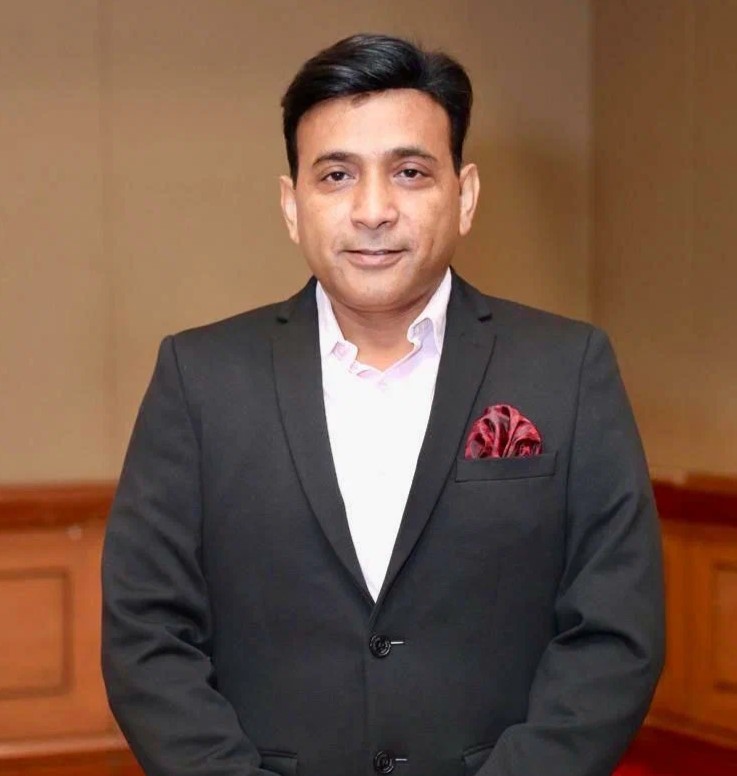
India is setting its sights on becoming one of the world’s top inbound tourism destinations over the next 3–5 years, backed by a strategic push on ease of travel, global marketing, and diversified experiences. Industry stakeholders are calling for simplified visa processes, improved air connectivity, and world-class infrastructure to unlock the sector’s full potential. With rising geopolitical uncertainties globally, India is positioning itself as a safe, culturally rich alternative for international travelers. From wellness and MICE tourism to emerging markets and niche experiences, the country aims to drive high-value, sustainable growth while strengthening its global tourism footprint through initiatives like GITB 2026. Elaborating further on these developments, Ravi Gosain, President, IATO had exclusive talk with Travel Heights.
- As Chairperson of the FICCI Inbound Tourism Committee, what is your strategic vision to accelerate India’s inbound tourism growth over the next 3–5 years?
Our vision is to position India among the top global inbound destinations by focusing on three pillars- ease of travel, global marketing, and product diversification. Over the next 3–5 years, we aim to push for seamless visa facilitation, enhanced air connectivity, and aggressive, market-specific global campaigns. Equally important is developing world-class infrastructure and curating unique experiences that showcase India beyond the traditional circuits. Public-private collaboration will be key to achieving sustainable and high-value tourism growth.
- What are the key structural challenges currently limiting inbound tourism to India, and how can the industry overcome them?
Inbound tourism in India faces challenges such as limited international air connectivity, high taxation on tourism services, fragmented marketing efforts, and infrastructure gaps at key destinations. Additionally, ease of travel, especially visa processes and last-mile connectivity needs improvement. To overcome these, we need policy support in rationalizing taxes, simplify e-visa process, investing in infrastructure, and increasing global marketing budgets. A unified national branding strategy and stronger coordination between Centre and States will also be critical.
- Being a Chairperson of FICCI, how you are attracting European Tourists owing to current geopolitical crisis in Middle East?
The current geopolitical situation presents India as a safe, stable, and culturally rich alternative destination. We are leveraging this by promoting India aggressively in European markets through roadshows, trade partnerships, and digital campaigns. Our focus is on highlighting India’s diversity- heritage, wellness, nature, and luxury experiences, while assuring safety, reliability, and ease of travel. Strengthening direct air connectivity from Europe is also a priority.
- How IATO is promoting inbound tourism especially in South-East Asia Region as now it has become a most preferred tourist destination?
South-East Asia has become highly competitive due to aggressive marketing and ease of access. IATO is working on repositioning India as a value-driven, experience-rich destination. We are actively engaging with travel trade in these markets, organizing roadshows, participating in international marts, and promoting Buddhist circuits, wellness tourism, and cultural experiences, which strongly appeal to this region. Collaboration with airlines and targeted campaigns are also being strengthened.
- Which emerging global source markets should India focus on, and what targeted strategies are needed to tap these markets effectively?
India must focus on emerging high-potential markets such as Eastern Europe, Central Asia, Latin America, and parts of Africa. Additionally, second-tier cities in established markets like the USA, UK, and Germany offer untapped potential. Targeted strategies include localized marketing campaigns, language-specific promotions, improved connectivity, and partnerships with global tour operators and digital platforms. Understanding traveler preferences in each market is crucial.
- How do you see niche segments like MICE, wellness, and experiential tourism shaping the next phase of inbound tourism growth in India?
Niche segments will be the key drivers of high-value inbound tourism.
* MICE tourism can position India as a global business hub with world-class convention infrastructure.
* Wellness tourism, rooted in Ayurveda, yoga, and holistic healing, is a natural strength for India.
* Experiential tourism including rural tourism, culinary journeys, and cultural immersions will attract modern travelers seeking authenticity.
These segments not only increase tourist spending but also promote sustainable and inclusive growth.
- In light of rising geopolitical tensions such as a potential US-Iran conflict, what impact could this have on global travel sentiment and India’s inbound tourism sector?
Global geopolitical tensions generally create uncertainty in travel sentiment, affecting long-haul travel decisions. However, India can benefit by positioning itself as a safe and stable destination. The key is to maintain clear communication, ensure traveler confidence, and offer flexible travel solutions. Diversifying source markets will also help mitigate risks. Visa process relaxation for Chinese nationals is welcoming step in this direction.
- The Great Indian Travel Bazaar 2026 in Jaipur is a flagship inbound tourism platform—what key outcomes and opportunities do you expect from this year’s edition?
The Great Indian Travel Bazaar is a flagship platform that brings together global buyers and Indian sellers under one roof. This year, we expect strong business generation, new partnerships, and enhanced visibility for emerging destinations and products. GITB 2026 will also serve as a platform to showcase India’s diverse tourism offerings and readiness to handle high-quality inbound tourism.
- With participation from over 50 countries and structured B2B meetings, how will GITB 2026 strengthen India’s global tourism positioning and drive tangible business for stakeholders?
GITB 2026 will directly translate into business opportunities for stakeholders. It strengthens India’s global positioning by facilitating pre-scheduled, result-oriented meetings, showcasing India’s tourism diversity in a focused environment, building long-term relationships with international buyers, and promoting lesser-known destinations and niche products Ultimately, GITB acts as a powerful bridge between global demand and India’s tourism supply, driving tangible growth for the industry.
Category:
Travel Heights Interview
Most Recent






Advertisments