
Advertisment

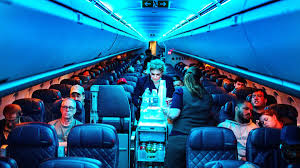
The use of a fuel surcharge, which is an additional fee that airlines generally apply to tickets due to rising fuel costs. At the centre of the silent transformation of global travel, an increase in oil prices has been brought about. This stoppage is not originating from a single source, which is what distinguishes the current stage. The Middle East, a region at the centre of the World’s oil Supply, is experiencing tensions that are making an impact on the energy industry as a whole. When the region’s oil flows are unclear, prices respond immediately, and airlines have to react accordingly as soon as possible. This also does mean that travellers, The cost of flying is increasingly due to the geopolitics and the hazards that are occurring in the Middle East rather than the distance or the demands of booking.
Fuel Is one of the highest costs of airlines, which is a frequent factor for a significant portion of the overall travelling cost. Airlines cannot simply take the impact sudden jump in oil prices without compromising their financial stability, and most of the airlines rely on it rather than other additional costs. Airlines react to market fluctuations instantly, as these charges can be changed on a regular basis without rearranging the entire pricing system. However, this results in a less transparent pricing experience for travellers, making it more difficult to compare prices between airlines and making the ultimate ticket cost feel uncertain.
Fear and expectations are the contributing factors in the rise of Oil prices. In addition to supply limitations. Additionally, to supply real shortages, markets have also responded to potential delays in major oil supply routes, which are important. Prices rise when traders expect danger, and the increase quickly moves out to Jet fuel. The rate at which jet fuel prices are increasing in comparison to crude oil itself is a surprising moment. Airlines now are paying even for the fuel they require due to processing difficulties and logistical limitations, which increases the desire to pass the cost onto customers.
Leaders in the business have already made statements publicly, while Plus Airline earnings also reflects the same. Fuel costs have increased dramatically, according to major carriers. The spikes in rate are sudden, which require quick attention rather than it steadily shifts. Because of this, airlines are not only raising the surcharges but also changing their routes, reducing on the number of flight and giving priority to profitable areas. When prices rise, and travellers start to notice the changes in both pricing and availability of tickets, the entire network strategy start to change.
In a way, the airlines that handle these types of risks here’s another level of difficulty. To safeguard against these unpredictable rises in the price, some of the flights do offer the option to lock the rate or the price of the ticket. Protecting is not a perfect defensive strategy due to the times of these types of risks. Even insured airlines must pay when price fluctuates or are too quick or significant. As a result of this, there is a continuous wave of rate increases that happens with some airlines raising the cost earlier, while others do it much later.
The consequences for the tourists sometimes go beyond the fact that they have to pay extra. As airlines reduce more expensive flights or stay clear of areas that would demand more costly routes, when the number of passengers is less. Also, due to fundamental supplies demand dynamics, less capacity may even result in more higher pricing. Booking a ticket today takes a level of information about broader world conditions that consumers had not considered previously.
Once, for a very minor disregarded part of flight, the fuel surcharge that is often ignored or not taken care of is now significantly influencing travel expenses. It represents the change in the way airlines have handled uncertainty, converting an unpredictable cost wherein travellers ultimately must pay. These days, it is crucial to keep an eye on the rates. Make reservations as early as possible and lastly select alternatives that offer modifications.
The economics of travelling are changing because of factors that go well beyond the aviation industry. A new pricing reality is created by the meeting of suppliers, oil markets, and geopolitical concerns. The fuel fee is the most obvious expression of this, serving as a reminder that every plane ticket is connected to global energies in today’s interconnected world.
By Tanish Mahan Gulati
Tags:
Category:
Blogs
Most Recent






Advertisments