
Advertisment

As India’s hospitality sector rides a strong growth wave backed by steady economic expansion, rising domestic travel, and a stable policy environment, industry leaders are looking to the upcoming Union Budget as a critical moment to unlock long-term, sustainable growth.
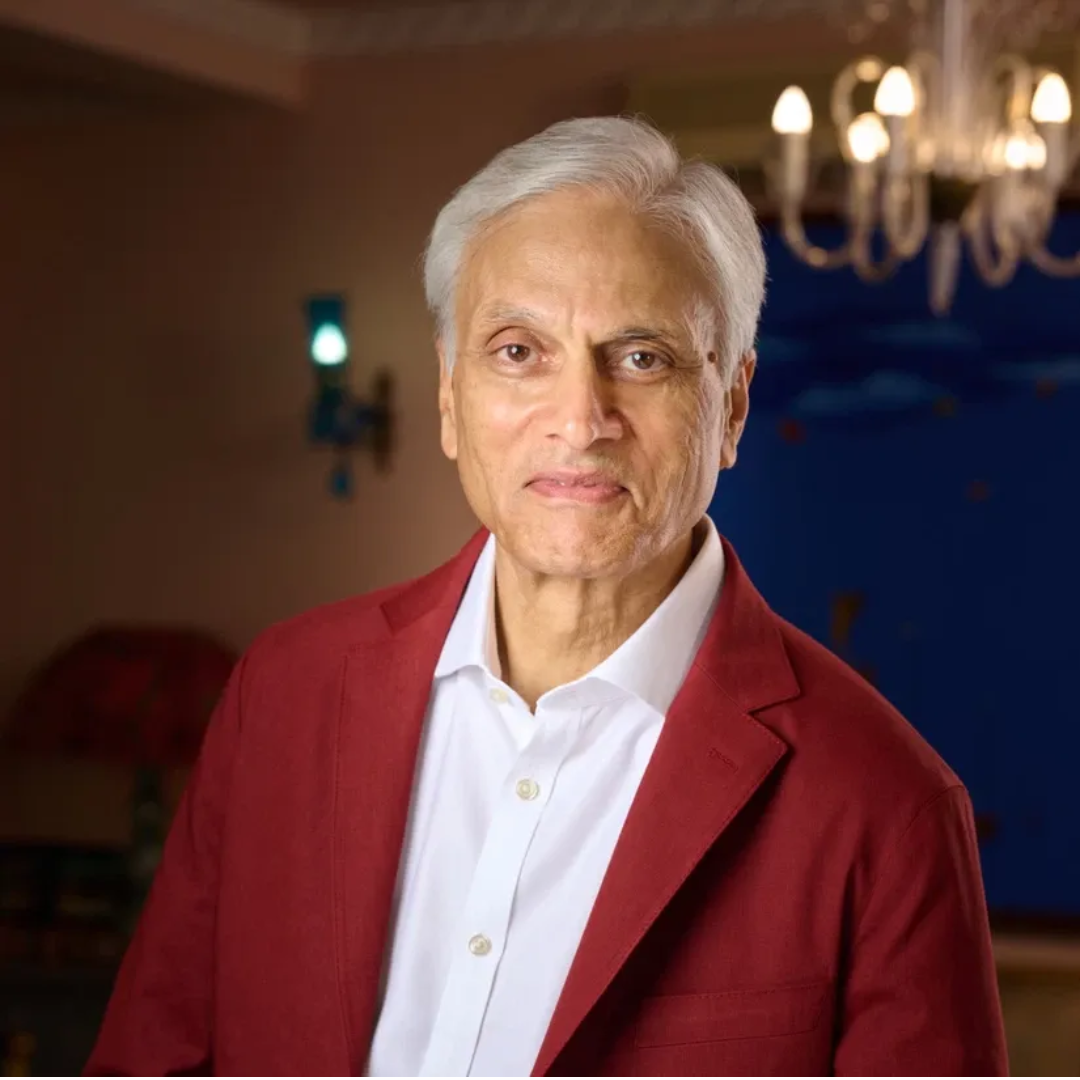
Ajay K. Bakaya, Chairman of Sarovar Hotels and Director at Louvre Hotels India, said the sector is witnessing demand that is clearly outpacing supply, especially in non-metro markets. With India’s economy growing in the 6–8% range and domestic tourism surging, hotels across the country are operating at high occupancies, while new supply struggles to keep pace.
“One of the biggest constraints today is the long gestation cycle of hotel projects, which can stretch from five to eight years due to land acquisition challenges, regulatory approvals, and financing hurdles,” Bakaya noted. “Granting infrastructure status to hotels would significantly improve access to long-term funding and help accelerate investment, particularly in Tier II and Tier III cities where demand is rising rapidly.”
He added that regional centres are emerging as strong hospitality markets, driven not just by tourism but also by local consumption patterns. Cities such as Jaipur, Lucknow, Raipur and Ranchi are seeing robust demand from weddings, banqueting, corporate events, and food and beverage spending, making them attractive for new hotel development.
From an operational perspective, Bakaya highlighted the need for GST rationalisation, particularly in food and beverage services. Currently, GST on F&B is linked to room tariffs, which he said complicates compliance and pricing structures.
“Delinking GST on food and beverage from room rates would bring greater clarity, simplify compliance, and improve pricing transparency for guests, while also supporting healthier margins and formalisation of revenues for hotels,” he said.
The industry is also hopeful of continued government focus on tourism and aviation infrastructure. Investments in new airports and regional connectivity under schemes like UDAN are expected to unlock emerging and pilgrimage destinations and expand travel beyond metro cities.
“Improved air and road connectivity will deepen travel flows into newer destinations and support balanced regional development,” Bakaya said. “This is crucial for dispersing tourism benefits across states and creating new economic hubs.”
In addition to physical infrastructure, Bakaya stressed the importance of policy measures around skill development, sustainability, and ease of doing business. Incentives linked to green construction, energy efficiency, and sustainable operations could help hotels reduce costs while aligning with global environmental standards.
“Hospitality is one of the largest employment generators in the services sector. Focused skilling programmes and simpler regulatory frameworks will help the industry scale responsibly while creating quality jobs,” he added.
According to Bakaya, well-targeted policy support in the Union Budget could significantly strengthen India’s positioning as a competitive global travel destination.
“Such measures will not only accelerate industry growth but also enable hotel operators to enhance guest experiences, develop new destinations responsibly, and contribute meaningfully to India’s broader economic and tourism objectives,” he said.
With domestic travel continuing to surge and international tourism gradually rebounding, industry stakeholders believe Budget 2026 could play a pivotal role in shaping the next phase of India’s hospitality expansion.
Category:
News and Updates
Most Recent






Advertisments