Advertisment

In a quiet music studio in Europe, the steady resonance of the tanpura settles into silence. A student raises a thoughtful question: “Where should one travel to hear this music in its natural surroundings?” The answer arrives without hesitation: “Come to Jaipur. Come to Rajasthan.”
For Ustad Nafeesuddin Dagar and Ustad Aneesuddin Dagar, this exchange is not rehearsed. It emerges organically from their teaching. Wherever they conduct Dhrupad workshops across Europe, conversations about music gently turn into conversations about Rajasthan—its culture, heritage, and lived traditions. Without overt promotion, their music becomes a pathway that leads listeners toward a place.
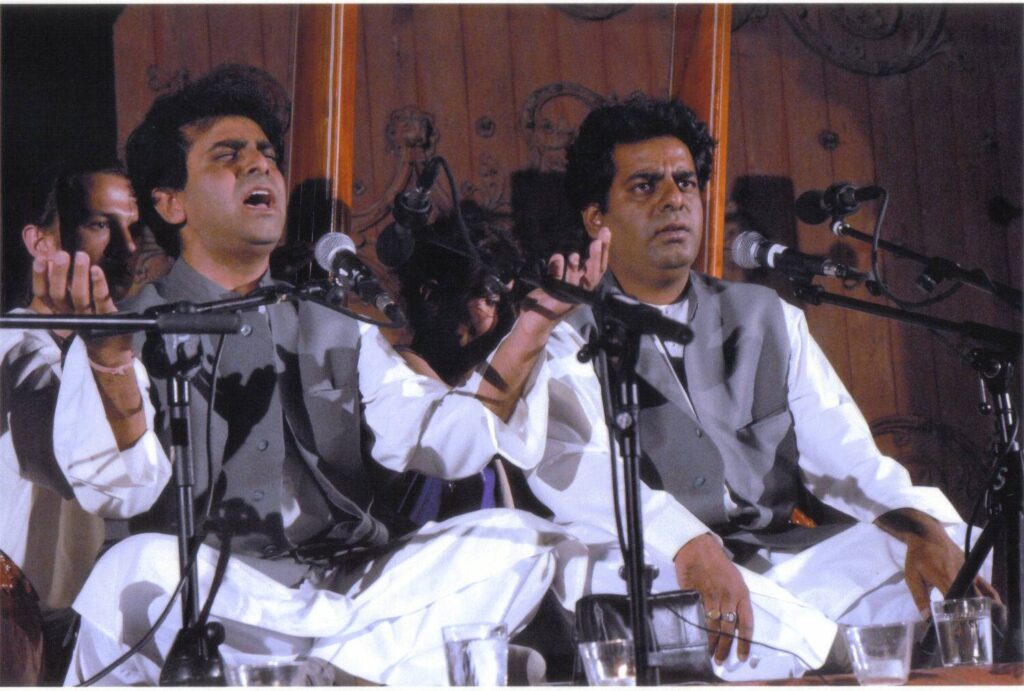
The brothers represent the 20th unbroken generation of the Dagarvani tradition of Dhrupad. Sons of the eminent maestro Ustad Sayeeduddin Dagar, and disciples of their illustrious uncles Ustad Zahiruddin Dagar and Ustad Faiyazuddin Dagar, they completed decades of intensive training in Delhi and Pune before choosing Jaipur as their permanent base. Today, the sound of Dhrupad travels outward from Jaipur to the world—carrying with it a distinct sense of Rajasthan.
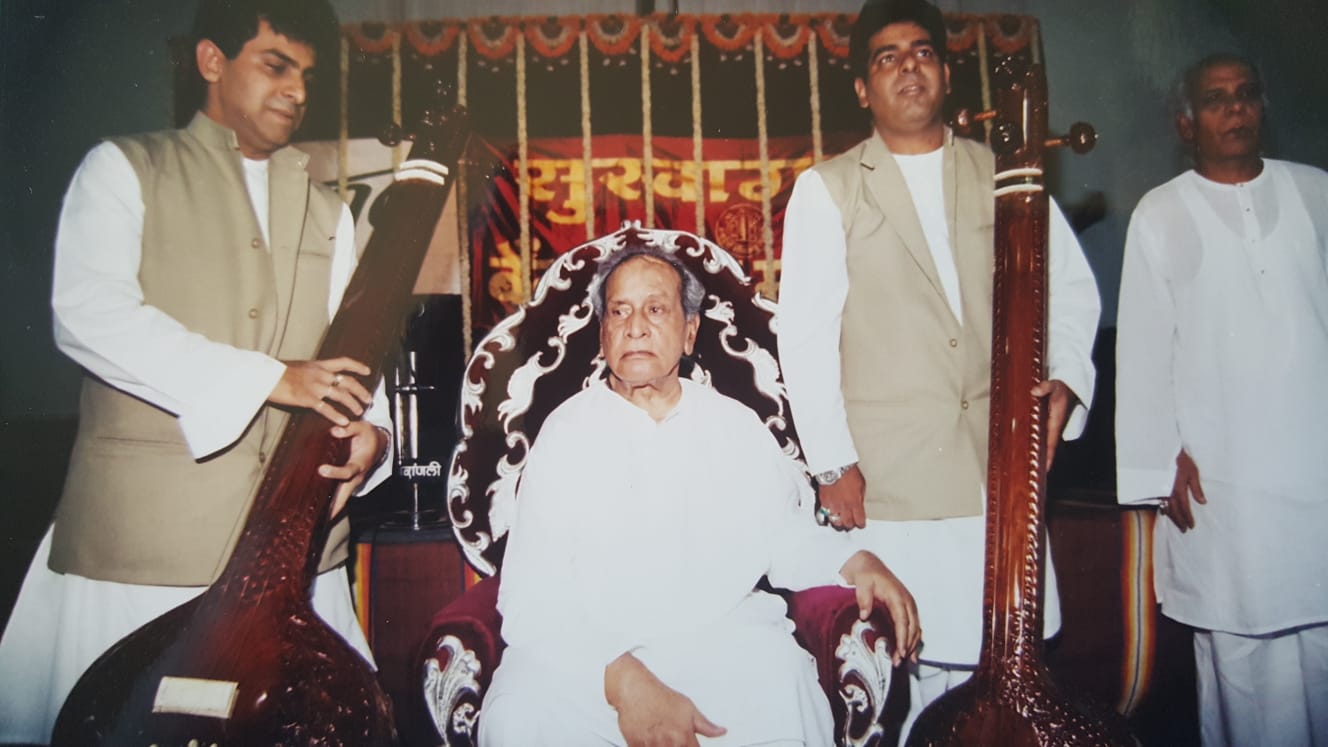
A defining early moment came in 1999, when they performed in Jaipur at the Behram Khan Dagar Dhrupad Samaroh. Since then, regular appearances at the Dhrupad Mela Varanasi and concerts at Jawahar Kala Kendra have marked important milestones. In 2003, in Pune, Bharat Ratna Pandit Bhimsen Joshi presented them with a pair of tanpuras—an enduring gesture of respect for the Dhrupad lineage.
Workshops Across Europe: Music in Cultural Context
Their teaching journeys have taken them across France, Germany, Belgium, and the Netherlands. In Paris, they conducted regular sessions at Maison de l’Inde, Centre Mandapa, and Studio Atlas. In Amsterdam, workshops and concerts were hosted at the Tropenmuseum, alongside training sessions at Yoga Centrum Arnhem. They also worked with students at Zuiderpershuis in Antwerp, and held rare music sessions inside a 12th-century basilica in Vézelay, France, besides engagements in Cologne and Bonn, Germany.
In each of these spaces, students curious about the depth of Dhrupad inevitably encountered stories of Jaipur and Rajasthan—the environment where this music breathes most naturally.
What is Dhrupad?
Dhrupad is one of the oldest surviving forms of Hindustani classical music. A performance begins with a slow, unmetered alap, where the raga unfolds patiently, followed by a composed section supported by the pakhawaj and the steady drone of the tanpura. The emphasis is not on lyrical expression, but on tonal depth, meditative expansion, and sonic purity. The Dagar bani remains the most refined living stream of this tradition.
Where Music Inspires Travel
Over the years, many international students, drawn by this profound art form, have eventually travelled to Jaipur to experience Dhrupad in its cultural setting. What begins as a music lesson often becomes a journey toward Rajasthan itself.
In the resonance of their voices, Dhrupad becomes more than music. It becomes an invitation.
To hear this sound in its truest atmosphere, one must arrive in Rajasthan.
Category:
News and Updates
Most Recent




Advertisments