Advertisment

Rajasthan’s rich cultural heritage is no longer just a memory of the past; it is a living legacy. It is a living tradition, and today, it has become the very soul of tourism in the state. When folk traditions, such as music, dance, puppetry, and rituals, merge with tourism, they not only provide livelihoods to local artists but also add identity and depth to the travel experience.
The Rajasthan Tourism Department has taken significant steps to integrate folk arts into its cultural tourism strategy. The department organises over 30 fairs and festivals annually, including Gangaur, Teej, the Desert Festival, Pushkar Fair, and the Brij Festival. Traditional folk performers from communities such as Manganiyars, Langas, Mirasis, Bhats, Bhopas, and Jogis are regularly invited to perform, both at festivals and in trade fairs and tourism marts. This effort not only helps preserve Rajasthan’s heritage but also provides recognition and sustainability to its artists.
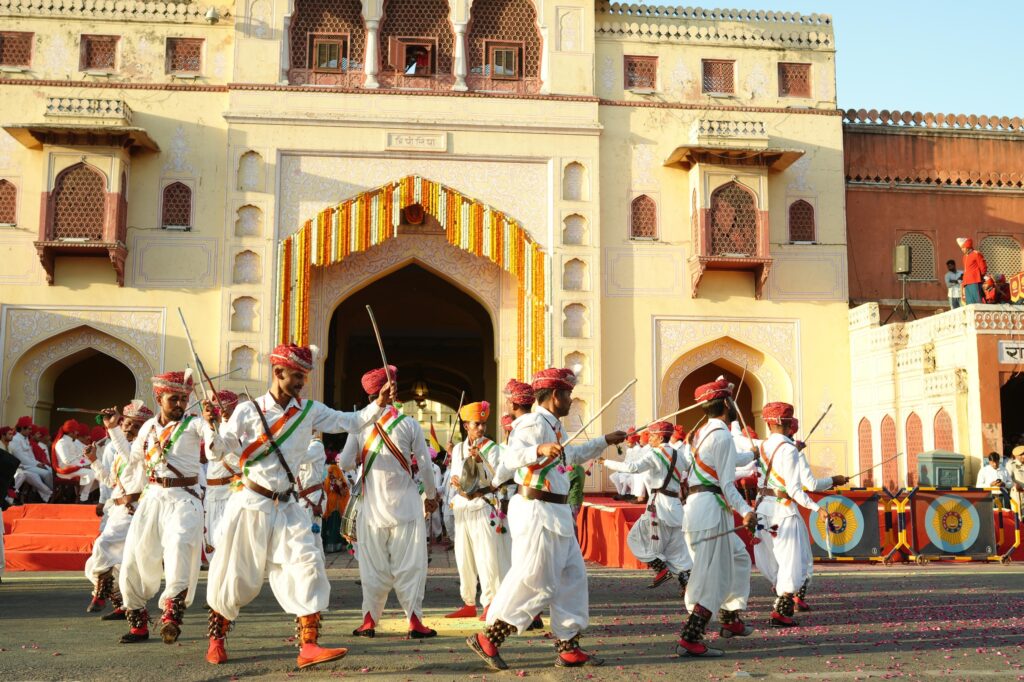
According to Daleep Singh Rathore, Joint Director of the Tourism Department, the focus is on “experiential tourism”. Visitors now want to feel, not just see, the places they visit. Live folk performances, including songs, instruments, dance, and puppetry, create immersive experiences. Thousands of traditional artists are now getting direct economic benefits through these initiatives.
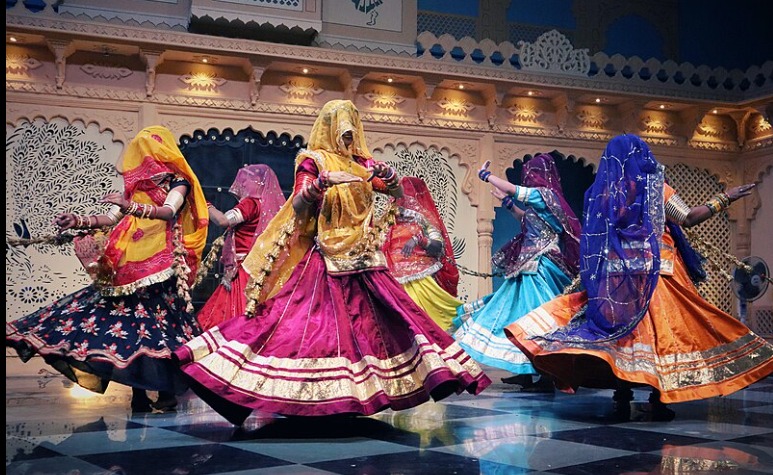
Rajasthan’s folk arts thrived in everyday life rather than on formal stages, as they were present in fields, courtyards, weddings, and festivals. Even today, the soulful strains of Maand, the rhythm of Ghoomar, the flame of Chari dance, and the storytelling of Pabuji ki Phad continue to bring villages alive. Each region in Rajasthan has its unique style, attire, instruments, and voice, from the Manganiyars in Jaisalmer to the Langas in Barmer, from the Ravanhattha in Mewar to the Terah Taali in Shekhawati.
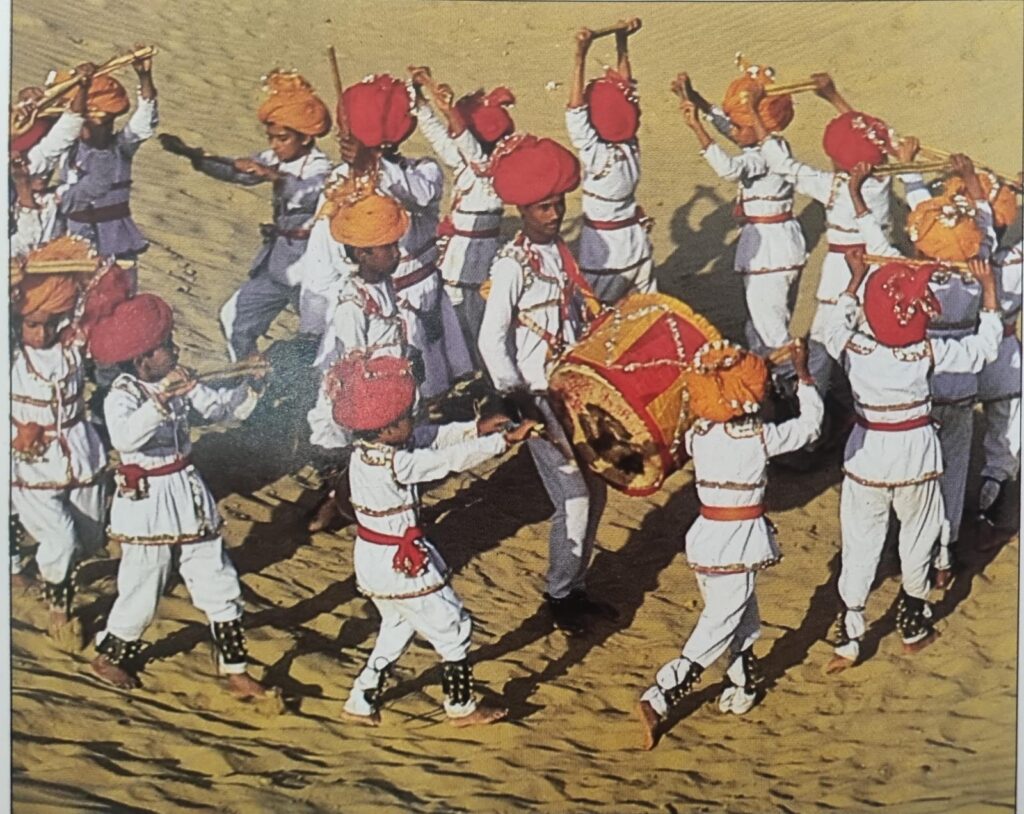
Rajasthan’s tourism has now taken a new direction, one that is culture-centric. Heritage hotels, fairs, and music festivals are featuring local artists. Folk music and dance are not just entertainment; they are now tools of cultural preservation and economic building.
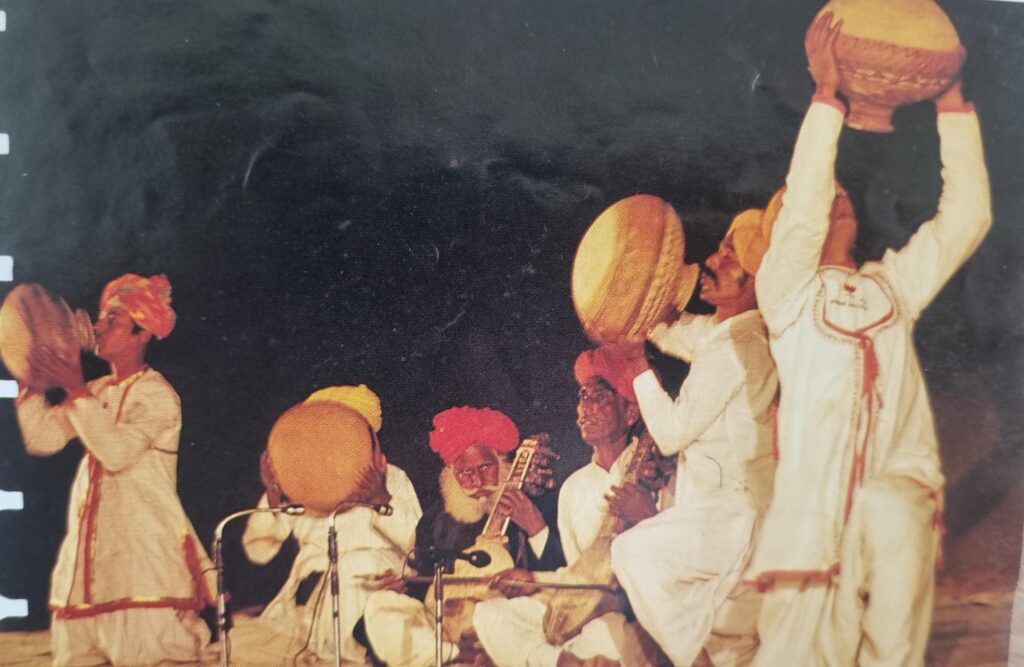
Traditional instruments such as the Sarangi, Kamaycha, Ravanhattha, Morchang, Pungi, and Khadtal are now attracting tourists who want to see, learn, and even play them. Puppet shows, Khyal, Nautanki, Phad painting, and devotional storytelling are becoming part of tourism packages. The emergence of new initiatives has created opportunities and appreciation for artists, leading to a flourishing cultural economy in both rural and urban Rajasthan.
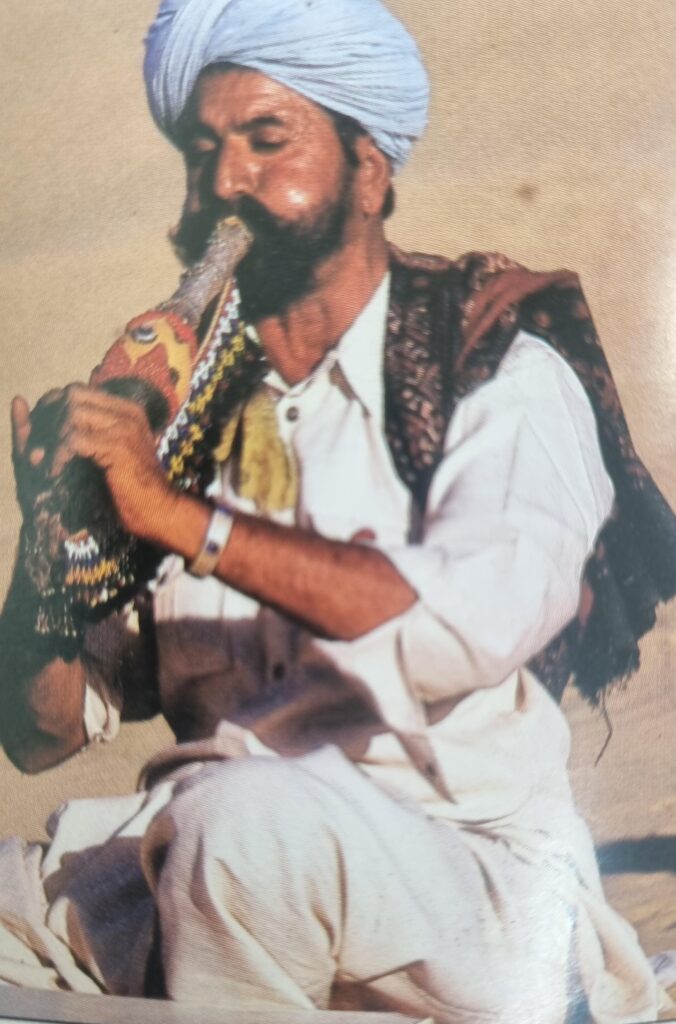
From villages to international stages, Rajasthan’s folk culture is now making India proud worldwide. Music festivals in Jaisalmer, Jodhpur, Udaipur, Jaipur, and Shekhawati attract international tourists who seek authentic cultural experiences. Tourism is no longer just sightseeing. It’s about connection, learning, and experiencing a piece of culture, and Rajasthan presents it beautifully to the world.
For more news visit our site: Click here
Tags:
Cultural Heritage
Experiential Tourism
Folk Traditions
Indian Folk Arts
Local Artists
Music and Dance
Puppetry
Rajasthan Culture
Rajasthan Tourism
tourism
travel
Category:
News and Updates
Most Recent





Advertisments