Advertisment

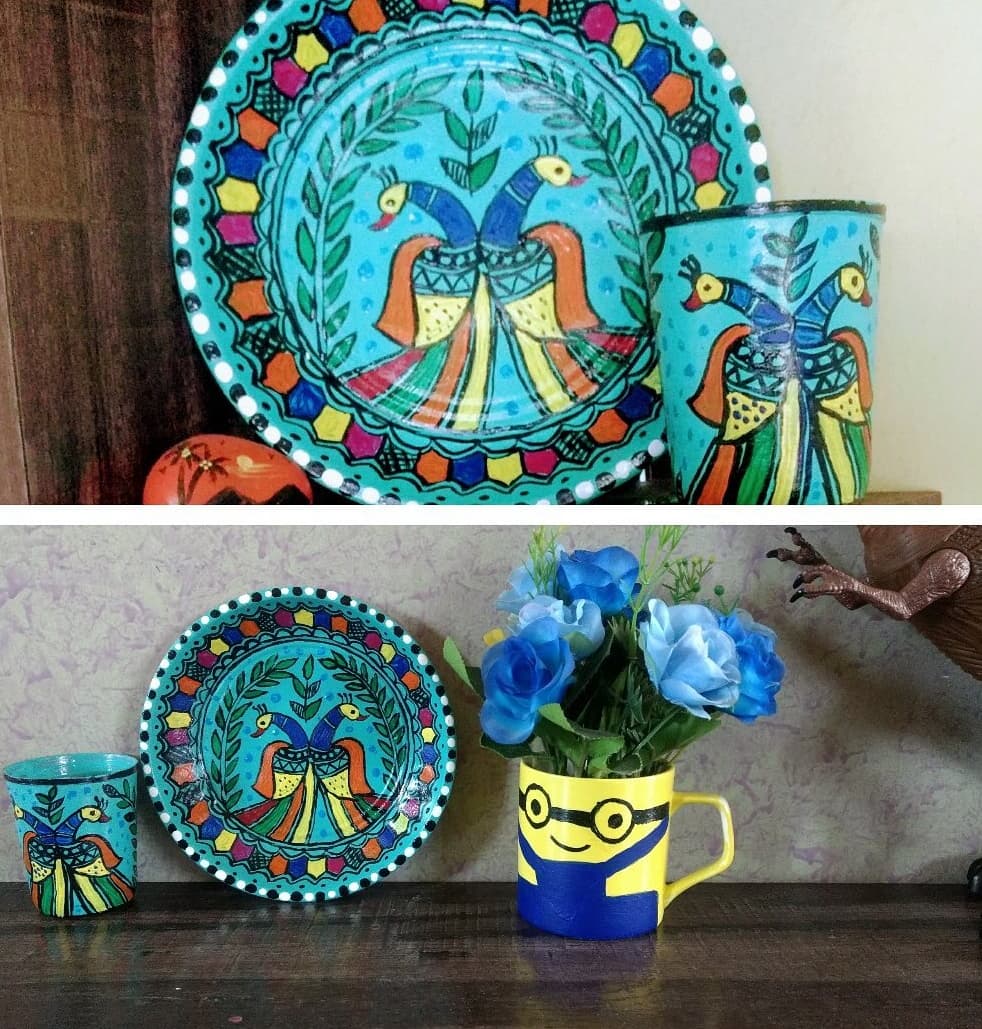
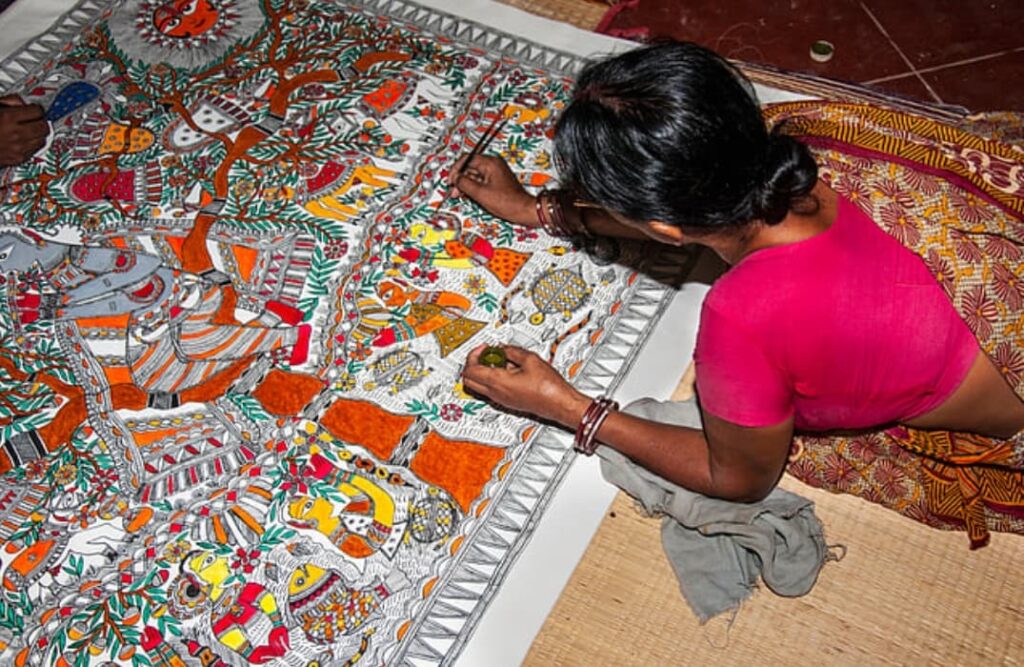
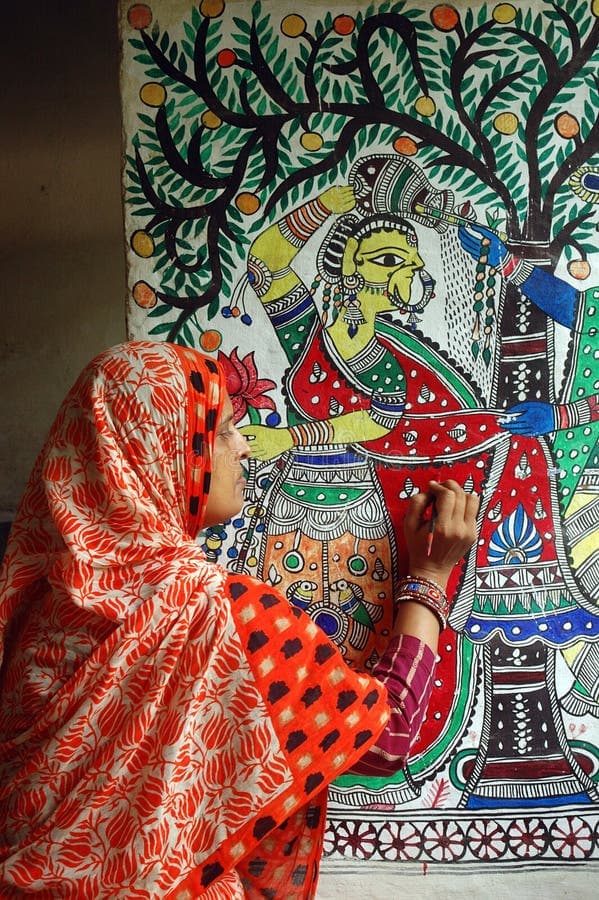
Madhubani painting (also known as Mithila painting), is one of the most well-known and historically important folk art forms of India. It is based in the Mithila region of Bihar and not only serves as a representation of the region’s cultural heritage but also has an important place among cultural tourism opportunities which connects travelers and visitors to grassroots creativity, sustainability and community-based experiences.
Tracing the Origins of Madhubani Painting
Madhubani painting is said to originate with the Ramayana when King Janaka commissioned local artists to decorate the wedding venue for his daughter Sita and was continued by women who decorated their walls and courtyards using their fingers, twigs and naturally derived colors to mark festive occasions.
Over time, while the art was still a ritualistic decoration, it became divorced from this process. Following the 1934 earthquake in Mithila, British officer William Archer discovered elaborate wall paintings amongst the damaged and noted them in his 1939 published pamphlet in Marga magazine where it became the first time comparative-ballpoint drawings were made synonymous with the paintings of Picasso and Miró. This was the beginning of Madhubani’s path to global recognition.
Understanding the Artistic Language of Madhubani
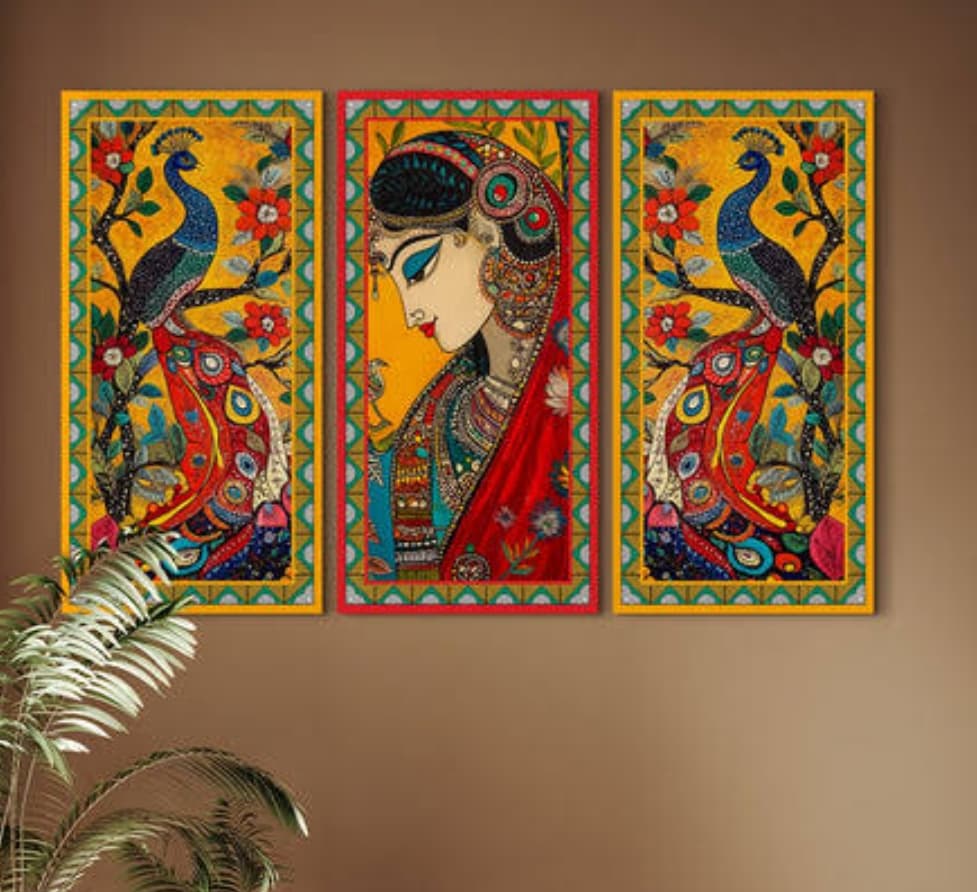
- Madhubani art is as diverse as the culture it arises from. It is organized into the following clear styles:
- Bharni – Fat outline in bright natural colors.
- Kachni – Fine line work and less color.
- Godhana – Geometric patterns based on tattoos.
- These paintings are created using sustainable materials using natural dyes, twigs, fingers, and matchsticks making them imbued with sustainability.
Empowering Communities Through Artistic Heritage
What distinguishes Madhubani, is its profound connection to women’s empowerment. Historically created by illiterate women from villages, Madhubani became a tangible identity for these women and allowed them to earn a living. Illiterate women who were domestic producers of art were realizing their potential as national award winners. Women like Sita Devi, Godavari Dutta, and Mahasundari Devi ensured the art form reached an international audience; these women were awarded Padma Shri accolades and their artistry began to be recognized in international art exhibitions, putting India and rural artistry on the world map.
In the 1960s, Bhaskar Kulkarni, an official of the Handicrafts Board, facilitated the transition of the paintings from wall to paper. This also shifted the art to being commercialized and became more accessible while preserving its authenticity.
Bringing Bihar’s Art to Global travelers
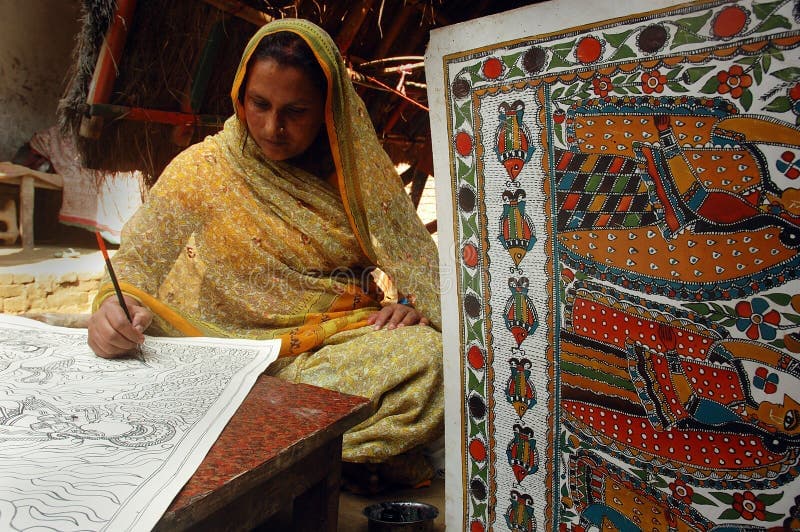
Madhubani can be a great experience for those who are tired of simply sightseeing, and enjoy meaningful travel. To witness a mythology beautifully illustrated by an artist using natural colors, join a village workshop where the experience is multi-dimensional, or take home a hand-painted souvenir, you will appreciate the artistry as a living heritage of Bihar.
As transformative and cultural tourism continues to grow within India, Madhubani offers a unique opportunity. A tradition that is rich and thriving, and still evolving.
Tourism circuits like the Ramayana Circuit are starting to include places for visitors to meet artists, see the studios, and learn how each brushstroke tells a story. This does not just mean you see it. You are experiencing it.
Tradition That Resonates with Modern travelers
Today’s traveler is seeking authenticity. They want to support local communities. They want their travels to have meaning. Madhubani weaves all those things together. It is sustainable, woman-led, and culturally vibrant.
For tour operators, it is an opportunity to create something unique: cultural trails, workshops, collaborations with artisans, or even branded experiences. This traditional art form can potentially fit into India’s global storytelling with the right lens.
Final Thoughts: Tradition as a Travel Experience
For tourism businesses looking to branch into cultural circuits, art-based experiences, or slow travel models, Madhubani painting provides a comprehensive, effective, and actionable framework that can provide culturally immersive and meaningful travel. The art form can be a link from the local to the global, from the past to the future and with organized community partnerships, marketing, and curated travel experiences, this is possible.
Madhubani is not simply art. It is Bihar’s offer to the world–one brushstroke at a time.
For more blogs visit our site: Click here
Category:
Blogs
Most Recent




Advertisments