
Advertisment


This World Food Day, the story goes beyond the plate — to the farms, gardens, kitchens, and communities that bring every meal to life. From Qatar’s evolving culinary landscape and Thailand’s garden-to-table harvests to Tokyo’s high-rise dining, Kenya’s community kitchens, and Ras Al Khaimah’s farm-to-table innovation, food becomes a window into sustainability, preservation of tradition, and the people behind every bite.
1. Phulay Bay, Thailand — From Krabi’s Soil to the Table
At Phulay Bay, a Ritz-Carlton Reserve, luxury has taken root—quite literally. The resort showcases its farm-to-table philosophy in every culinary experience, harmonising flavour, provenance, and purpose. Organic vegetables, herbs, and tropical fruits make their way from the resort’s own gardens and neighbouring community farms straight onto the plate. Local fishermen from Krabi’s coast supply the daily catch—succulent lobsters, blue swimmer crabs, tiger prawns, and line-caught fish—ensuring every ingredient is as fresh as the Andaman breeze.

Each dish—whether a spicy southern curry infused with turmeric from nearby plantations or a fragrant stir-fried lemongrass salad—tells a story of the land and sea that sustain it. It’s not just dining; it’s a dialogue with the region’s soil, tides, and traditions. Eating at Phulay Bay isn’t only about flavour—it’s about traceability, community, and respect for the ecosystems that make Krabi thrive.
2. Hilton Salwa Beach Resort & Villas, Qatar — The Gastronomic Heartbeat of the Coast
A luxury destination on the southwestern coast of Qatar, Hilton Salwa Beach Resort cultivates an idea of local living. As part of this, the resort partners with local farms to bring the freshest fruits and vegetables, herbs, and dairy products into its restaurants and cafés, all to reduce food miles and support local growers. At Souk Kitchen, the philosophy shines through in every dish: chefs prepare mezze that burst with vibrant colours and flavours using local produce, they source hand-caught seafood directly from Qatari waters, and they bake breads from recipes passed down through generations. The resort’s Arabic coffee is sourced from family roasters in Qatar as well. It serves as a gentle reminder that sustainable dining can be both comforting and responsible. Book a table at Souk Kitchen or stroll around the resort’s seaside gardens, where each flavour tells a story of Qatar’s coastline and community.

3. TOKYO SKYTREE, Japan — Dining in the Clouds
High above Tokyo, Sky Restaurant 634 (Musashi) turns dining into an art of awareness. Each season shapes the menu — from white shrimp and sea urchin on crisp monaka to crab salad with grapefruit jelly and poached eel with beet risotto — dishes that honour provenance and the Japanese philosophy of shun (the art of using ingredients at their seasonal peak). Through sweeping floor-to-ceiling glass, the city unfolds like a constellation of lights. Here, food, craft, and conscience meet — a quiet celebration of balance, gratitude, and mindful indulgence.

4. Kenya — Where the Locals Lead the Table
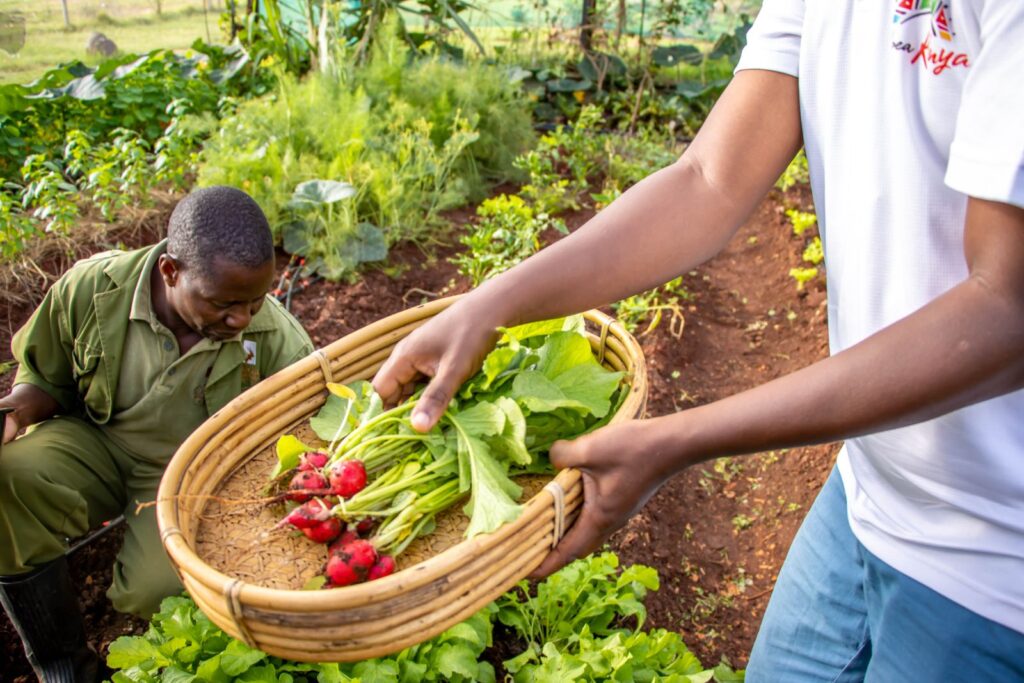
In Kenya, sustainability begins where nourishment and innovation meet. The Food4Education Giga Kitchen in Nairobi is redefining scale with purpose, producing more than 60,000 school meals a day while keeping its carbon footprint low. The kitchen powers its steam boilers using eco-briquettes made from sawdust, while the organic waste is converted into energy, ensuring that nothing goes to waste. Ingredients are sourced directly from local smallholder farmers (nearly 75% of them women), strengthening rural livelihoods and shortening the supply chain. Across Nairobi, this spirit of creativity and consciousness continues at restaurants and spaces like Cultiva Kenya, a farm-to-table restaurant in Karen where organic heirloom produce and zero-waste cooking take centre stage, and Nairobi Street Kitchen, an upcycled dining hub built from repurposed shipping containers, reclaimed furniture, and even a bar base made entirely of old cassette tapes. Such purpose-led initiatives are proving that in Kenya, sustainability isn’t just a responsibility, it’s a recipe for flavour and imagination that benefits the destination and community!
5. Ras Al Khaimah — A Table Rooted in Community and Conservation
In Ras Al Khaimah, food has become a language of respect — for the land, its people, and its produce. Resorts such as The Ritz-Carlton Ras Al Khaimah, Al Wadi Desert are cultivating meaningful connections with local farmers, date growers, and fishermen. The resort’s Chef’s Garden supplies fresh vegetables and herbs directly to Kaheela restaurant, while Farmhouse by Syrco, its new signature dining concept, champions traceability, sustainability, and locally sourced ingredients.
Along the coast, Mövenpick Resort Al Marjan Island is redefining responsible luxury under Accor’s Planet 21 initiative. The resort sources ingredients from within the UAE — including Dibba Bay oysters, the region’s first homegrown oyster farm — and maintains a Chef’s Garden that supports its restaurants with fresh herbs and produce.

6. Sri Lanka – The Taste of Teardrop
Across Sri Lanka’s hills and coasts, Teardrop Hotels nurtures a philosophy of nourishment that begins long before a dish reaches the table. The chefs grow most of the food they serve in their own gardens, minimising food miles and showcasing the island’s rich produce, including cinnamon, jackfruit, mango, and coastal herbs. The kitchens partner with nearby farmers and women’s cooperatives, blending traditional recipes with mindful sourcing. Each meal becomes a quiet act of giving back – to the soil, the community, and the craft of cooking – a reminder that sustainability tastes best when it is shared.
For more news visit our site: Click here
Tags:
Culinary Tourism
Eco-Friendly Cuisine
Farm to Table
Japan
Kenya
Local Produce
Qatar
Ras Al Khaimah
Sri Lanka
sustainable dining
thailand
World Food Day
Category:
News and Updates
Most Recent






Advertisments