
Advertisment

Andhra Pradesh has moved temple tourism to the top of its agenda, with Chief Minister N. Chandrababu Naidu instructing officials to build global-standard homestays in pilgrimage hubs to improve pilgrim comfort and expand local income. The directive positions faith travel as the anchor for a broader tourism revival that blends heritage, culture, and community enterprise.
To create reliable capacity, the government has set a near-term benchmark of 10,000 additional rooms by March 2026, supported by a year-round calendar of events across Visakhapatnam, Vijayawada, Amaravati, Tirupati, Anantapur, and Kurnool. These steps are designed to smooth seasonal spikes, improve price stability, and give private investors a clear demand signal.
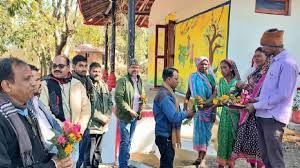
The plan also spotlights Konaseema, where officials have been asked to mobilize Non-Resident Indian participation for homestays, encourage authentic village experiences, and keep more visitor spending within local communities. This approach ties accommodation growth to livelihoods, host training, and craft-led micro enterprises.
Complementary product upgrades are on the table. Proposals include enhanced heritage interpretation at sites such as the Undavalli Caves, event-led branding for Vijayawada’s Dasara to match the Mysuru benchmark, and soft-adventure bases in destinations like Araku and Gandikota. Together, these moves create reasons to stay longer, explore secondary circuits, and revisit through the festival calendar.
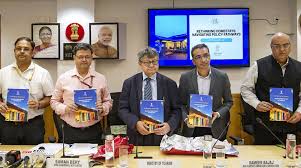
At the national level, NITI Aayog has recommended a single-window clearance system for homestay registration to cut red tape and bring many informal hosts into the formal economy. The think tank’s roadmap proposes streamlined documentation limited to essentials such as ownership proof, applicant identification, and GST registration, along with destination-focused financial incentives that reward place development rather than only room amenities.
The report notes collaboration with online accommodation platforms, including Airbnb and MakeMyTrip, which can help align standards, visibility, and safety while simplifying digital workflows for small hosts. If adopted by states, a single-window backed by platform partnerships could reduce onboarding time, improve compliance, and unlock new supply where demand is already strong.
For Andhra Pradesh, the two tracks fit neatly. State actions can drive demand in temple towns and nature belts, while the national policy toolkit can cut setup friction for homestays, expand credit access, and support quality control through uniform checklists. The result would be faster conversions of spare rooms and heritage homes into regulated stays, better guest confidence, and stronger tax visibility, all without losing the warmth that makes homestays special.
Success will rest on four priorities, clean rooms, trained hosts, fair pricing, and verifiable safety. With clear targets, festival-led marketing, and a practical single-window, Andhra Pradesh can turn temple tourism into a durable engine for jobs and inclusive growth while offering travelers richer stories, easier bookings, and stays that feel like home.
Tags:
Andhra Pradesh temple tourism
Andhra Pradesh Tourism
Chandrababu Naidu tourism plan
Konaseema tourism
temple town homestays
Category:
News and Updates
Most Recent






Advertisments