Advertisment

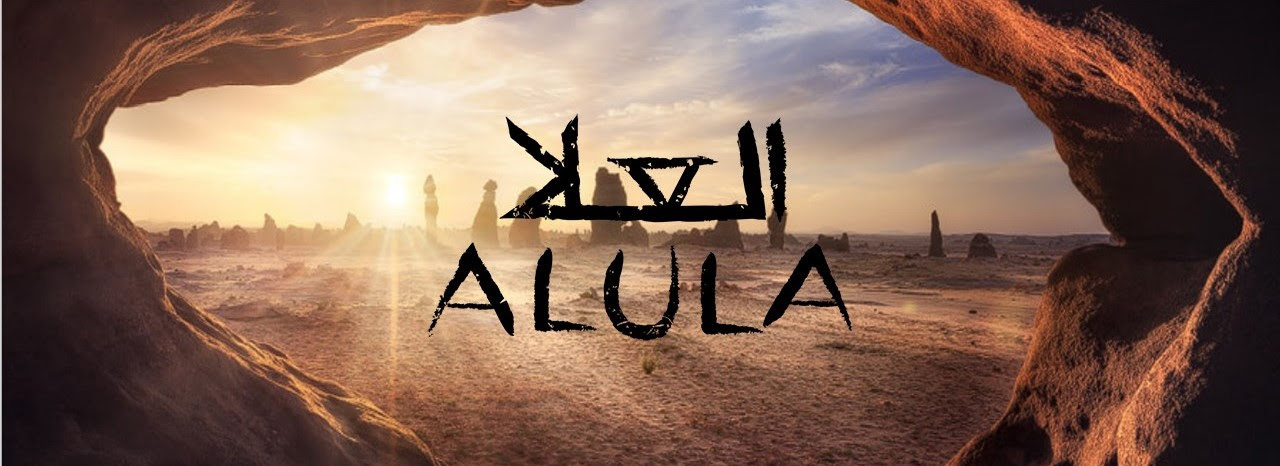
A public photo exhibition, “I am a Rawi: Sharing Stories from AlUla” opens this week on the iconic external gates of UNESCO Headquarters in central Paris.
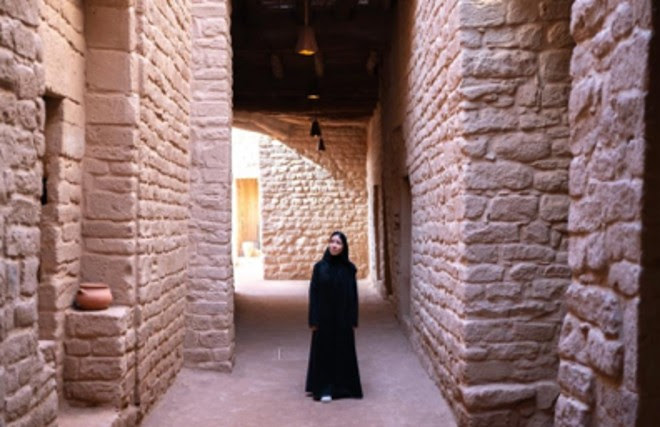
Running until 31 August 2026 and free to hundreds of thousands who pass by, the exhibition shines a light on the cultural heritage of AlUla in Saudi Arabia through the lens of its Rawis – local storytellers who serve as public engagement and cultural ambassadors for the ancient oasis destination.
The initiative highlights AlUla’s innovative approach to cultural tourism, introducing the Rawis and their role in immersing visitors in the region’s rich history and landscapes.
Working in collaboration with UNESCO, the Rawis created an interactive experience called “Qissa bi Qissa,” or Swap a Story, a local version of UNESCO’s Live Museum model. This two-hour session, facilitated by the Rawis, uses artefacts to prompt dialogue around themes like human migration, belief systems and shared cultural experiences. First trialled in AlUla in February 2026, “Qissa bi Qissa” has already engaged 115 participants from 10 countries.
The sessions are based on UNESCO’s Live Museum model, which places people at the centre of heritage interpretation. Back in 2025, six Rawi leaders from AlUla participated in UNESCO’s inaugural Intercultural Training Week for museum and heritage site management professionals in Paris, alongside representatives of six world-famous museums and heritage sites. This experience enabled Rawis to become trainers themselves, leading workshops in AlUla and contributing to the design of the first online training for Live Museum facilitators, bringing together culture and heritage professionals from across the globe.
Part of UNESCO’s partnership with the Royal Commission for AlUla (RCU), the activity marks an early activation for the upcoming Museum of the Incense Road. The Rawi programme and the ‘Qissa bi Qissa’ experience represent a shift towards human-centric cultural tourism.
“Our own research indicates that 79% of leisure travellers want immersive cultural experiences. At its heart, the “Qissa bi Qissa” experience leverages dialogue and storytelling to encourage visitors to engage with heritage in ways that deepen understanding and genuine connection with peoples and places,” said Phillip Jones, Chief Tourism Officer, Royal Commission for AlUla.
“In an era increasingly shaped by AI-generated experiences, the Live Museum model offers a compelling alternative. It is grounded in human-generated stories and authentic encounters, creating moments of authenticity that foster meaningful engagement and lasting memories for visitors and we are proud to that AlUla’s Rawis are the first certified practitioners of this model in the Kingdom.”
This model promotes a form of engagement that distinguishes itself through personal interaction and shared human experience. ‘Qissa bi Qissa’ is set to become a bookable experience for visitors, adding to heritage site tours in AlUla later this year.
The term “Rawi,” Arabic for storyteller, refers to Saudi nationals, mostly from AlUla, who have undergone extensive training to become narrative experts. Since the destination opened to tourism in 2020, the Rawis have guided visitors through AlUla’s four main heritage and archaeological sites: Hegra, Dadan, Jabal Ikmah and AlUla Old Town. These sites bear witness to more than 200,000 years of human history and continuous civilisation dating back 7,000 years, including the Dadanite, Lihyanite and Nabataean kingdoms.
The “I am a Rawi: Sharing Stories from AlUla” exhibition provides a glimpse into this evolving facet of cultural tourism, showcasing the individuals at the forefront of this development.
Category:
News and Updates
Most Recent




Advertisments