
Advertisment

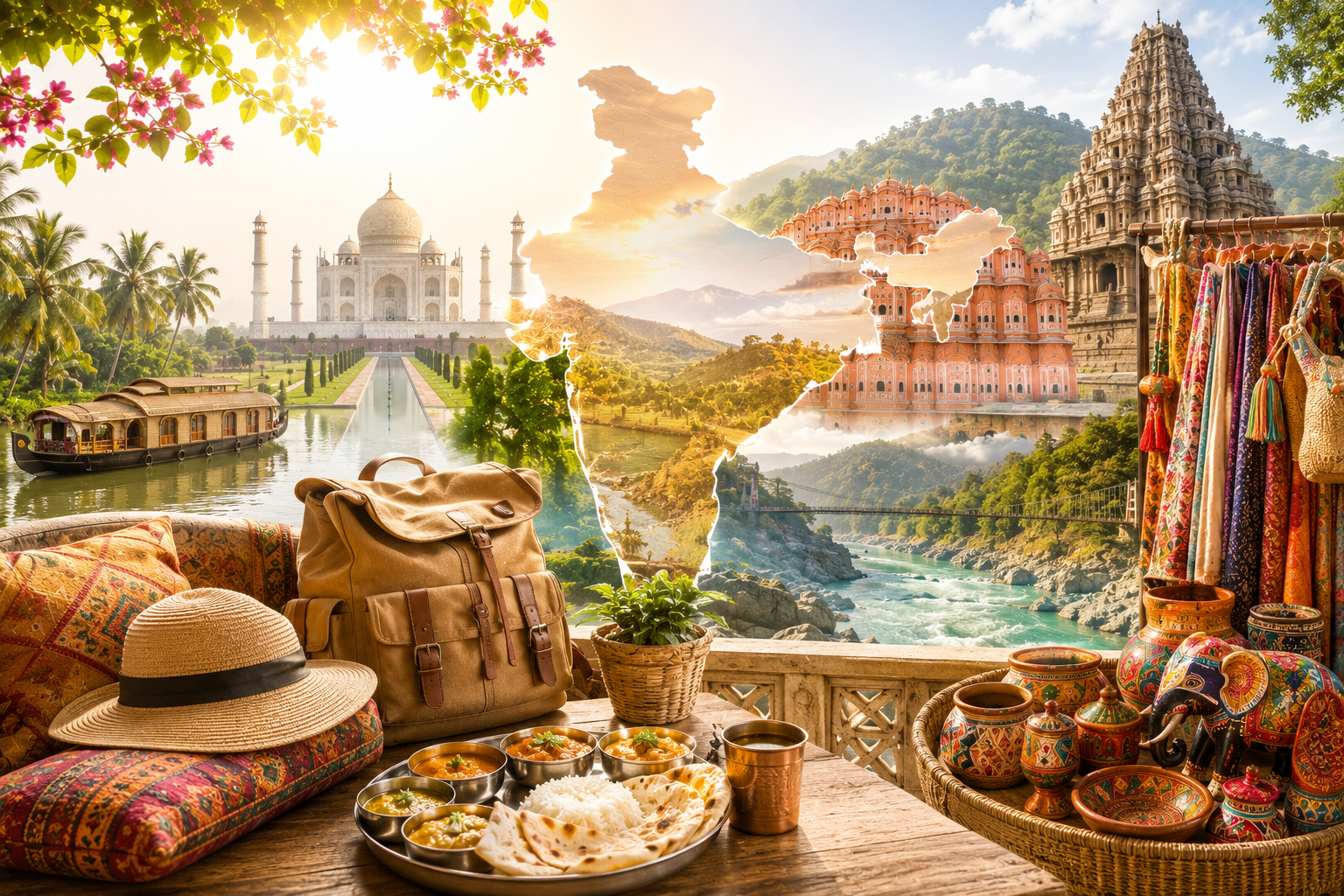
“Back in the day, the ideal itinerary for a budding Indian tourist would be to travel to Bangkok, Dubai, Europe for the summer or a honeymoon in South East Asia. But in 2026 that script was altered slightly. Hotels in all parts of India, from hill stations to beach towns, spiritual circuits and Tier-2 cities, are booked out, domestic flights are taking off and homestays that were once unpopular are several months ahead of schedule. Geopolitics is also involved in rediscovering India’s gorgeous beauty.
The catalyst has been the various flashpoints that have occurred around the world. All of these conflicts that are happening in West Asia, involve the United States of America, Israel, and Iran. As a result there have been significant numbers of aircraft that have been cancelled and airspace has been closed throughout the Gulf region. For a long time this corridor has been the entry point for Indian visitors who would like to travel to Europe, Middle East and other regions. The disruption to that route has meant that the cost of travelling to European locations has increased almost fourfold, converting what was a low cost holiday into an unattainable luxury. This has led to the inability to afford the vacation.
The rupee’s depreciation has rendered travel abroad impossible for a large percentage of the middle class of India. This is because of the fall in the value of the rupee, which means that every dollar, euro or dirham spent abroad is getting more expensive. If the industry’s forecasts for the impacted international routes are right, and costs continue to rise by twenty to thirty percent in the near term, it may give more passengers pause before carrying out those plans.
This has caused a huge change in the world. Reports indicate India’s domestic tourist business has grown by thirty to thirty-five percent in key markets. This is because many tourists choose to visit hill stations, beach resorts, spiritual centers and cultural centers rather than visiting international sites. The share of bookings made by foreign backpackers (who made up over half the guest base pre-pandemic) has fallen to about ten percent in hostels and budget chains. The gap is being filled by the surge in the number of young Indian tourists.
This change isn’t just for cheap holidays. Even top quality hotel enterprises are changing their approach. International travellers are no longer the focus of luxury hotel groups, who are now apparently targeting India’s ultra-high-net-worth individuals and affluent middle class. Instead of exotic locations like Paris or the Maldives, these people are preferring five-star hotels in India for their trips. Hotels are fighting back by offering hyper-local experiences such as regional foods, carefully crafted cultural immersions, and “Instagrammable” surroundings designed to appeal to local preferences.
For Indians, the trip is more important than the destination itself. With the unpredictability of the global economy, there is a rising need for flexibility in trip planning when it comes to foreign travel. One thing that tourists like is the flexibility to change plans at the last minute, which is why self-drive options and longer rental periods are growing more popular with vehicle rental firms. visitors are increasingly planning their trips around unique experiences such as domestic cricket matches or extended weekends, rather as scheduled “bucket list” destinations “The trend indicates that visitors are becoming more adventurous.
This internal push just so happens to correspond with the fact that India’s mobility across the globe has improved tremendously. An interesting coincidence. The Indian passport has been ranked 80th in the Henley Passport Index for 2026, which is an improvement over the previous year’s standing. Now there are 55 points of entry where you can enter visa free or get a visa on arrival. In more normal situations it would undoubtedly have encouraged even more people to choose locations overseas. But the risks associated with geopolitical instability have not yet been enough to make the benefits associated with increased visa access worth it.
What makes this trend so fascinating for the tourism industry in India is the fact that it has the potential to outlive the crisis that created it. After international tensions have eased and travel stabilises, many in the business are hopeful that domestic tourism will remain a firm foundation rather than a fleeting one. “Affordable prices, different cultures, better transport links and a new generation of tourists exploring their own backyard are all factors that have led to this change of direction and it’s not just a passing fad.
‘A huge number of people are going within India at their own expense because they feel they have no option. Perhaps world tensions have forever created a new door that goes right into India’s great variety of experiences all available in no time at all by air, road or rail with ease.
Category:
Blogs
Most Recent






Advertisments