Advertisment

According to Rajasthan Tourism Commissioner Rukmani Riar, the 47th edition of the Jaisalmer Maru
Mahotsav (Desert Festival) concluded in keeping with tradition on Magh Purnima, marking another
significant chapter in Rajasthan’s cultural and tourism calendar.
Held in 2026, the four-day festival stood out for both its cultural depth and expanding geographic
footprint. For the third consecutive year, Pokaran was formally included as part of the celebrations, with
the festival opening there before moving to Jaisalmer. As a result, the Maru Mahotsav has evolved from
a city-centric event into a regional desert festival, extending its reach across the wider Thar landscape.
The Tourism Commissioner said the objective of the Maru Mahotsav goes beyond organising cultural
performances. “The festival is designed to preserve desert heritage while strengthening domestic and
international tourism,” she said. In line with this approach, the 2026 edition began in Pokaran with
religious rituals, ceremonial processions and performances by local artists, before progressing to
Jaisalmer for the main events.
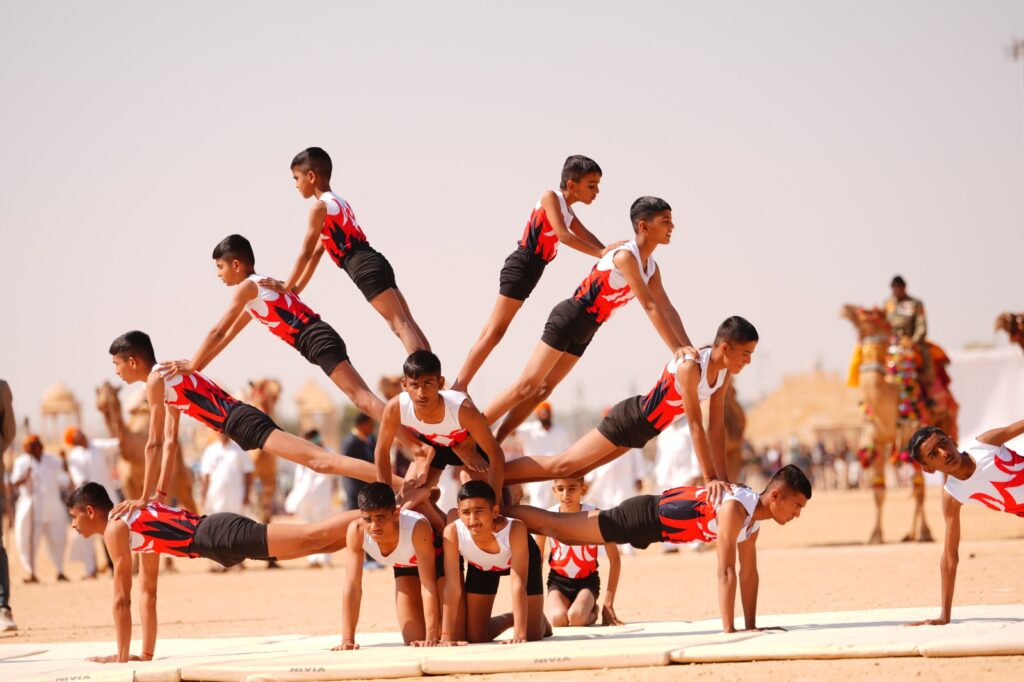
Following Pokaran, the festival unfolded across multiple venues in Jaisalmer, including Gadisar Lake,
Shaheed Poonam Singh Stadium, Dedansar Stadium, Sam, Lakhamna and Khuri sand dunes. Over four
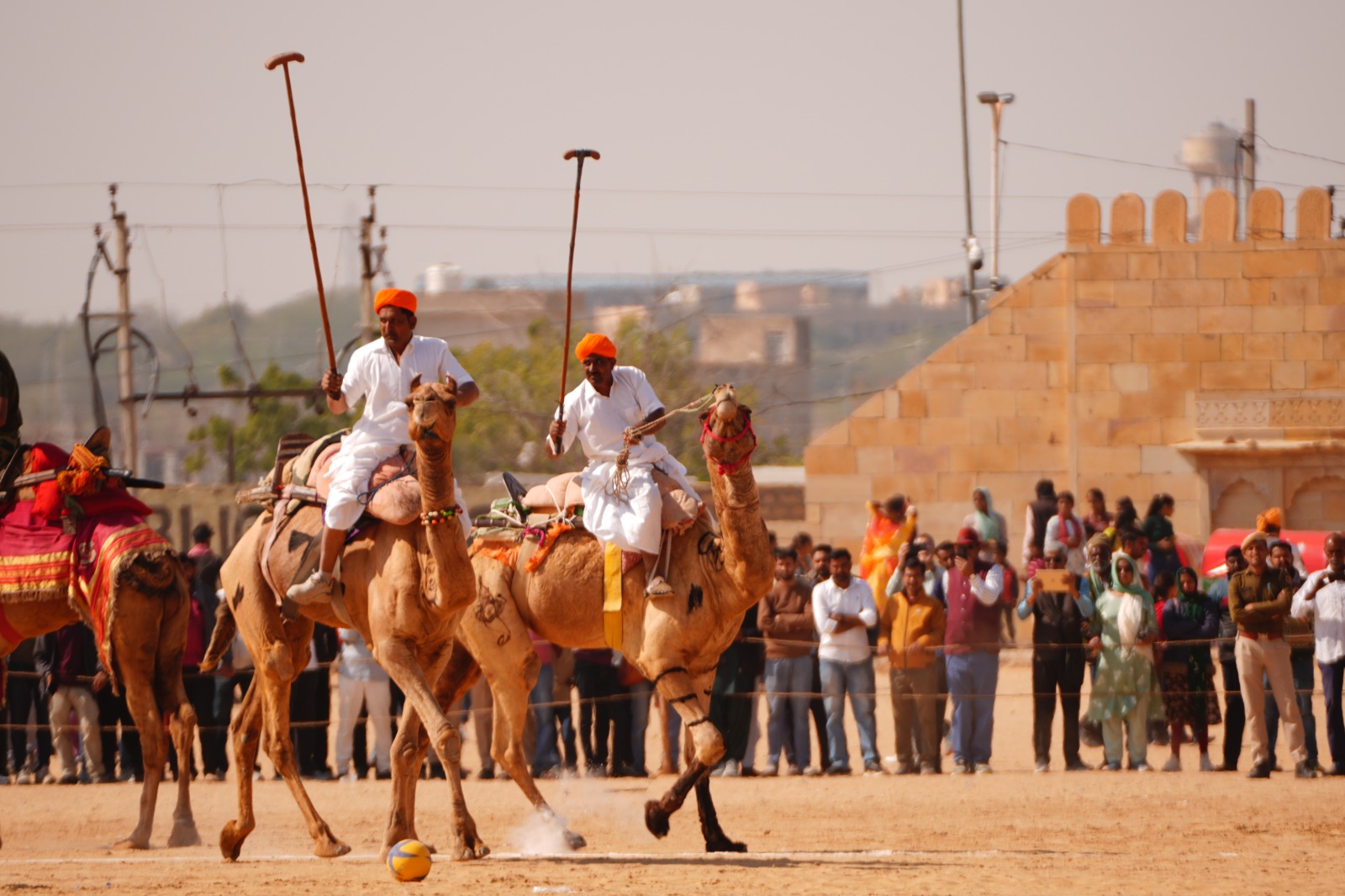
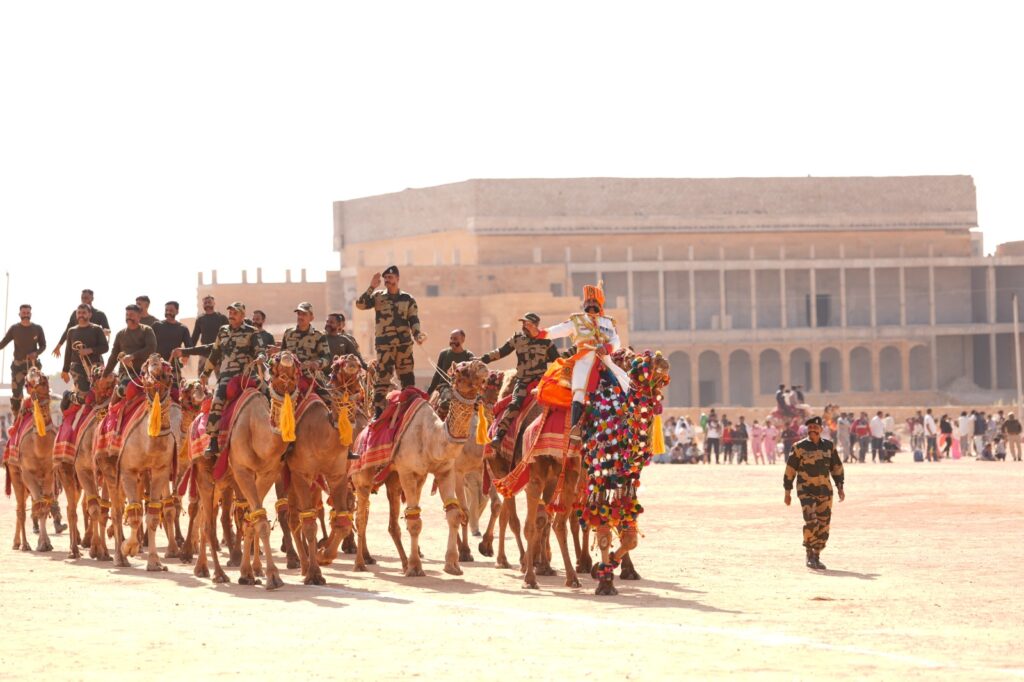
days, visitors witnessed a wide range of programmes, from folk music and dance to camel races, camel
decoration contests, camel polo, turban-tying and moustache competitions, rural sports, handicrafts
exhibitions and food festivals. The evening cultural showcases held against the backdrop of the desert
dunes emerged as a major draw for visitors from India and abroad.
Pokaran’s Inclusion Has Expanded the Festival’s Scope: Kamleshwar Singh
Assistant Director, Tourism, Jaisalmer Kamleshwar Singh said that incorporating Pokaran into the Maru
Mahotsav was aimed at giving broader visibility to desert culture and extending tourism activity beyond
Jaisalmer alone. “This has helped bring regional traditions, rural sports and local artists into the
mainstream festival narrative,” he said, adding that the move has created new opportunities for
communities in surrounding areas.
Singh noted that the Maru Mahotsav was formally launched in 1979, when the Rajasthan government
adopted a policy to place desert districts on the tourism map. In its early years, folk music, folk dance,
camel decoration and traditional attire formed the core attractions. Over time, the camel emerged as
the festival’s central symbol, with camel races, camel dance performances and decorated camel
contests giving the festival a distinctive national identity.
He also highlighted a lesser-known but important moment in the festival’s history: during the
devastating Gujarat earthquake, the Maru Mahotsav was not held, in recognition of national mourning
and social sensitivity. “That decision reflected the festival’s alignment with larger national
responsibilities, beyond celebration alone,” Singh said.
Strong International Tourist Presence
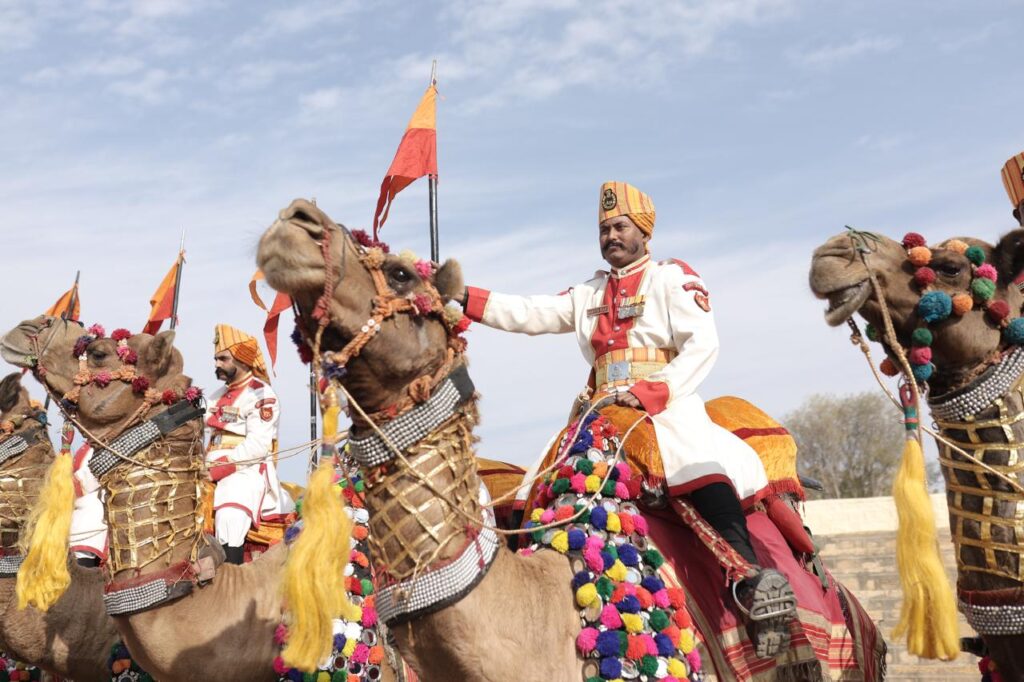
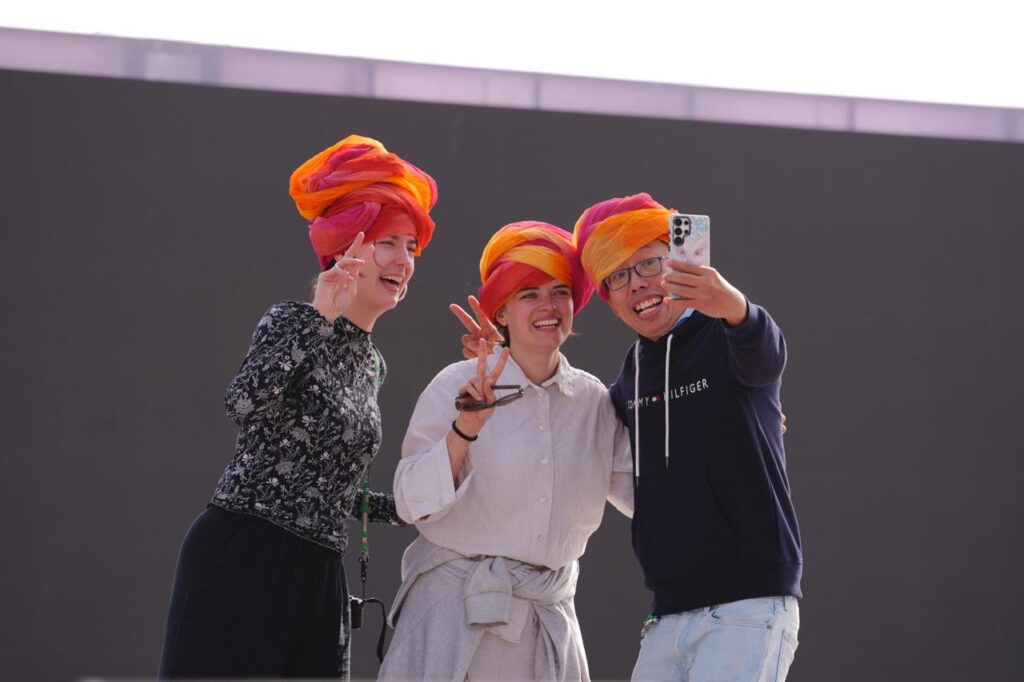
The 47th Maru Mahotsav witnessed a substantial turnout of foreign tourists, reaffirming Jaisalmer’s
status as a key cultural destination on the global travel map. According to the Tourism Department,
visitors from Germany, France and the Netherlands, among other European countries, attended the
festival this year.
Traditional dance performances in the desert, camel-based competitions and open-air cultural evenings
under the night sky remained particular favourites among international visitors, many of whom planned
extended stays in and around Jaisalmer during the festival period.
30,000–40,000 Domestic Tourists Recorded
Tourism officials estimated that 30,000 to 40,000 domestic tourists visited Jaisalmer during the festival.
Visitors arrived from Rajasthan, Gujarat, Maharashtra, Delhi, Uttar Pradesh, Madhya Pradesh, Punjab,
Haryana, West Bengal, Karnataka, Tamil Nadu and Kerala.
Hotels, resorts, homestays and desert camps reported near-full occupancy, while local markets,
handicraft sellers, folk artists and transport operators experienced a noticeable economic boost.
Stakeholders in the tourism sector said the festival continues to play a vital role in supporting local
livelihoods during the peak season.
Traditional Conclusion on Magh Purnima
The Maru Mahotsav concluded on Magh Purnima with religious rituals and final cultural performances.
The district administration and the Tourism Department described the event as successful, noting that
the festival has now firmly established itself as a permanent and flagship event in Rajasthan’s tourism
calendar.
Over more than four decades, the Maru Mahotsav has demonstrated that it is not merely a festival, but
a living platform where desert culture, tradition and tourism intersect — presenting the spirit of the
Thar Desert to the world.
2022–Present | Revival with Responsibility
Focus on sustainable tourism, plastic-free events and prioritising local artists. Maru Mahotsav today is
not just a celebration — it is a public expression of Jaisalmer’s cultural soul, firmly placing the Thar
Desert on the global cultural map.
Category:
News and Updates
Most Recent





Advertisments