Advertisment

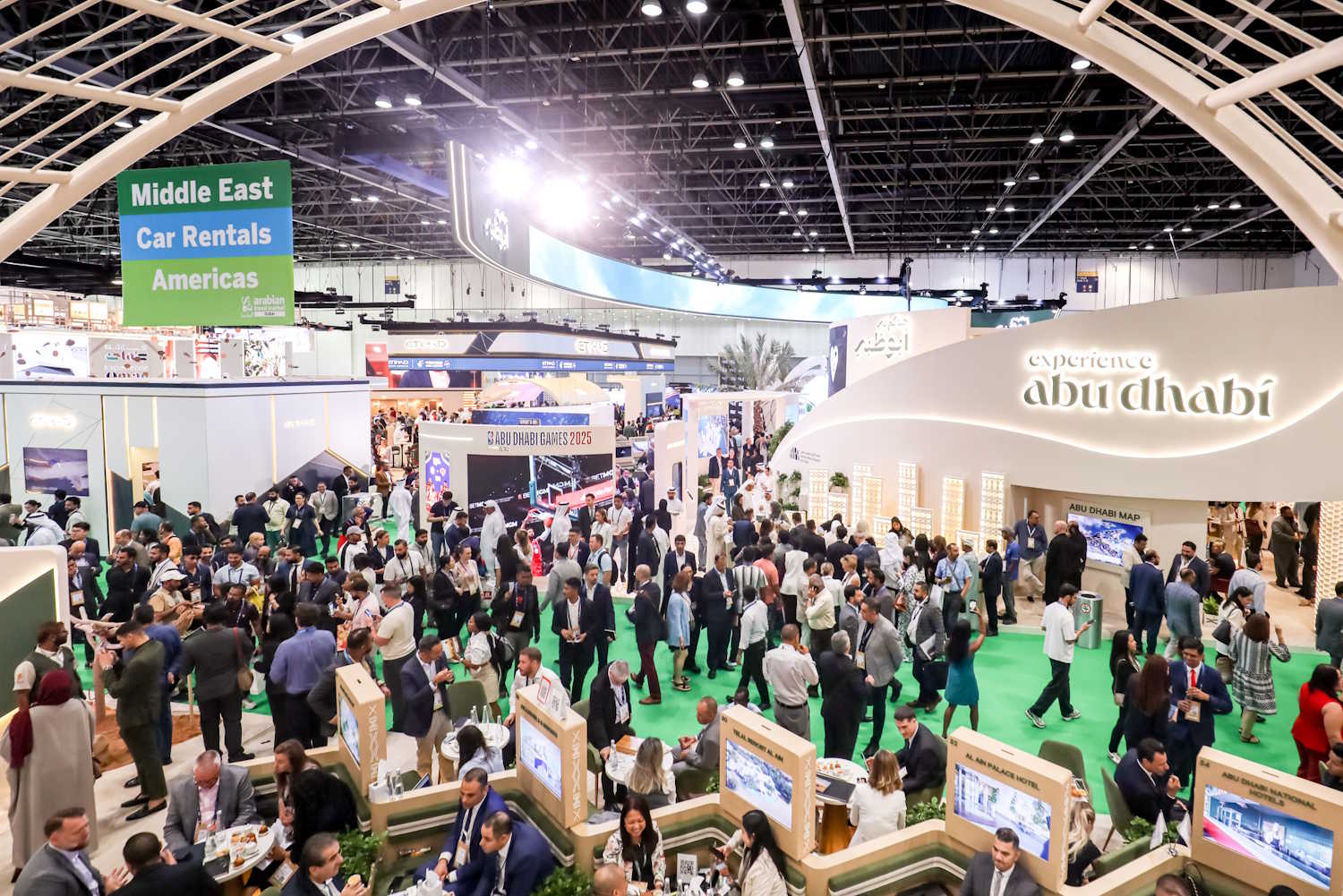
Arabian Travel Market (ATM) 2026, which takes place at the Dubai World Trade Centre on 4-7
May, will showcase the importance of sports tourism, as new research reveals that sports event-
driven travellers – defined as people who travel overnight to attend live sporting events – spend
significantly more per trip, with frequent sports tourists spending up to twice as much per trip as
the average traveller.
According to Sports Tourists: Travelling with Passion, a white paper by GSIQ, a global sports
and tourism insights agency and research partner of ATM 2026, frequent sports event travellers
not only outspend traditional tourists but are also increasingly seeking premium, high-quality
experiences.
Highlighting the scale of the opportunity, the research also projects the sports tourism sector to
represent a potential 63% increase in the number of people who intend to take a sports-related
trip in the coming years, delivering a substantial uplift for Middle East sports tourism, which
PwC values at approximately US$600 billion, while globally, the market is expected to reach
over US$2 trillion by 2030, redefining the shape of the global travel and tourism industry.
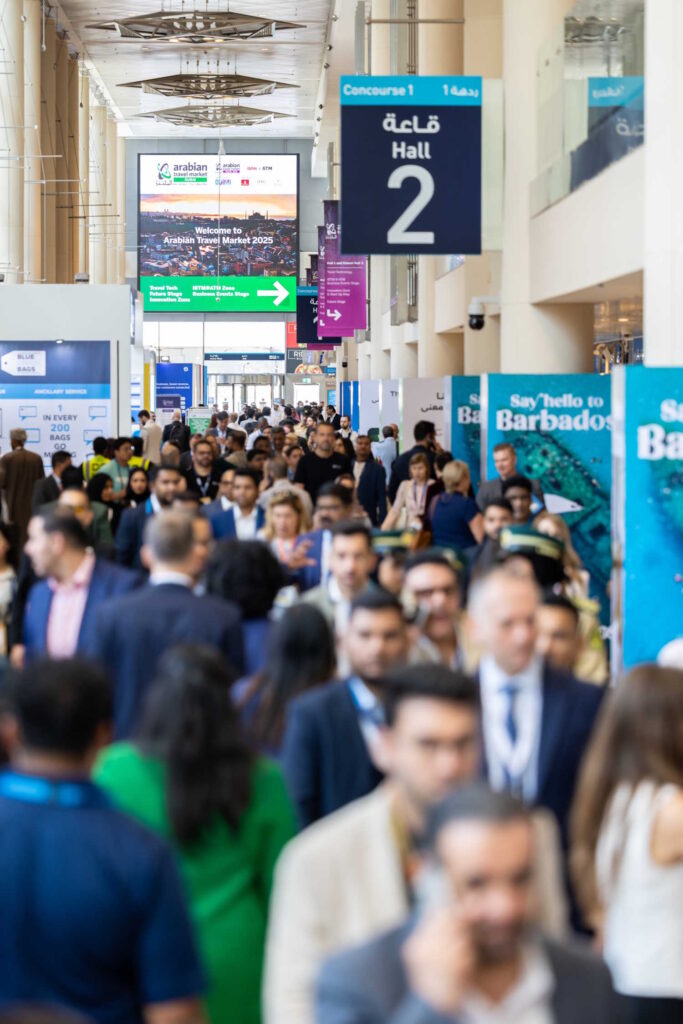
Danielle Curtis, Exhibition Director ME, Arabian Travel Market, said, “By understanding the
mechanics of sports tourism, destinations and tour operators can develop strategies to drive
repeat visits and attract new audiences. Ultimately, knowing what motivates sports fans to travel
will determine how stakeholders meet evolving consumer expectations to ensure sustained
engagement and growth in this potentially lucrative market.”
Sports tourists are primarily motivated by their passion for sport, but their travel decisions are
strongly influenced by accessibility, affordability, quality and overall value. The white paper
highlights that value remains a decisive factor, with 63% of respondents prioritising fair ticket and package pricing, particularly among newer sports travellers. Notably, while only 36% say a
destination must already appeal to them, 41% are open to extending a sports-led trip into a longer
leisure holiday.
As a result, major sporting events act as a catalyst for destination growth, encouraging deeper
exploration, longer stays and stronger word-of-mouth advocacy for host locations. Indeed,
around 80% of sports event attendees either return as leisure tourists to destinations they first
visited for sport or recommend them to others, while also reporting a more positive perception of
those destinations.
Addressing the positive impact on the leisure tourism market, experts from GSIQ will present an
exclusive white paper on the Global Stage during ATM 2026, in a session titled “The Power of
Sport Tourism: New Audiences & New Revenue”, exploring how destinations and travel
companies can convert this growing potential into significant and sustainable tourism revenue.
Eva Stewart, Global Managing Partner at GSIQ, added, “Sports tourism is no longer a niche
segment; it is one of the fastest-growing drivers of global travel demand. Our research shows that
sports travellers spend more, stay longer and return more often, making them one of the most
valuable audiences for destinations worldwide. With the Middle East rapidly expanding its
world-class sporting infrastructure, the region is exceptionally well positioned to capture this
growth, a trend we look forward to exploring further at ATM.”
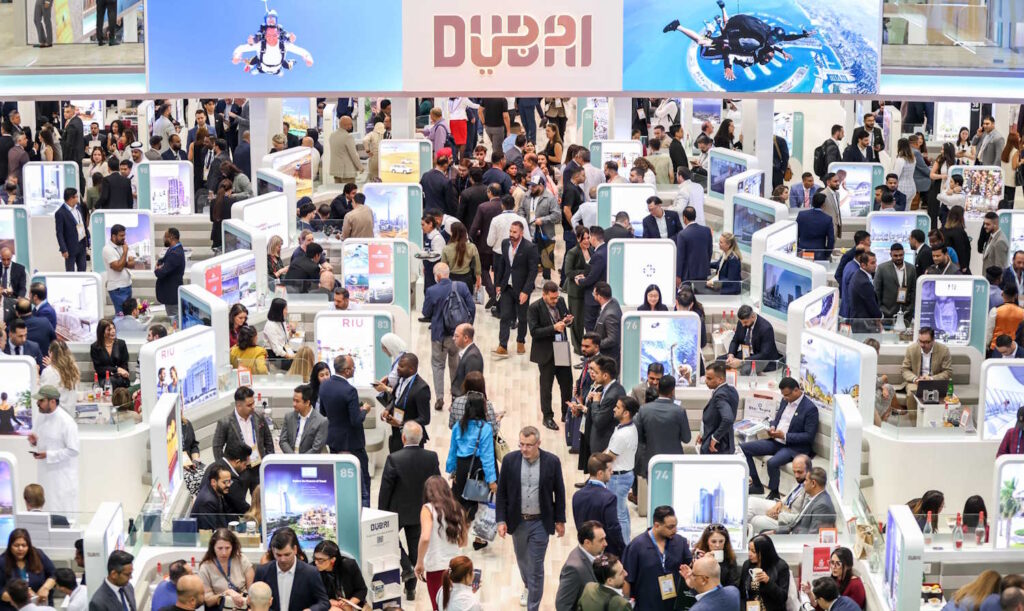
According to the 2025 ATM Trends Report, developed in partnership with Tourism Economics,
an Oxford Economics Company, destinations across the Middle East are capitalising on surging
demand for live events, from global sporting tournaments to concerts and festivals. Following
the successful delivery of mega-events such as Expo 2020 Dubai and the Qatar 2022 World Cup,
momentum is accelerating further as Saudi Arabia prepares to host the 2034 FIFA World Cup.
“ATM plays a vital role in identifying the trends shaping global tourism, and few are as
important today as sports, events and MICE tourism. From mega sporting tournaments to world-
class cultural events, these experiences are helping destinations reach new audiences, extend
length of stay and accelerate progress towards long-term tourism growth targets. The return of
the expanded IBTM @ ATM in 2026, a dedicated hub for the business events, corporate travel
and experiential design sectors, and also featuring the Experience Stage with high-profile
speakers – further elevates ATM’s commitment to advancing the global events ecosystem. This
strengthened platform reflects the region’s growing influence and underscores the Middle East’s emergence as one of the world’s most dynamic and fastdeveloping meetings and events
markets,” added Curtis.
Other sessions taking place during ATM 2026 include The new experience economy: What will
make events irresistible in 2030? Taking place on the Experience Stage, the panel discussion will
outline the future of events in the region. With a focus on events, creativity and immersive
technology. On the Global Stage, a panel discussion on Decoding Growth: How hospitality is
adapting to new traveller needs will address the multi-motivated needs of travellers.
Category:
News and Updates
Most Recent






Advertisments